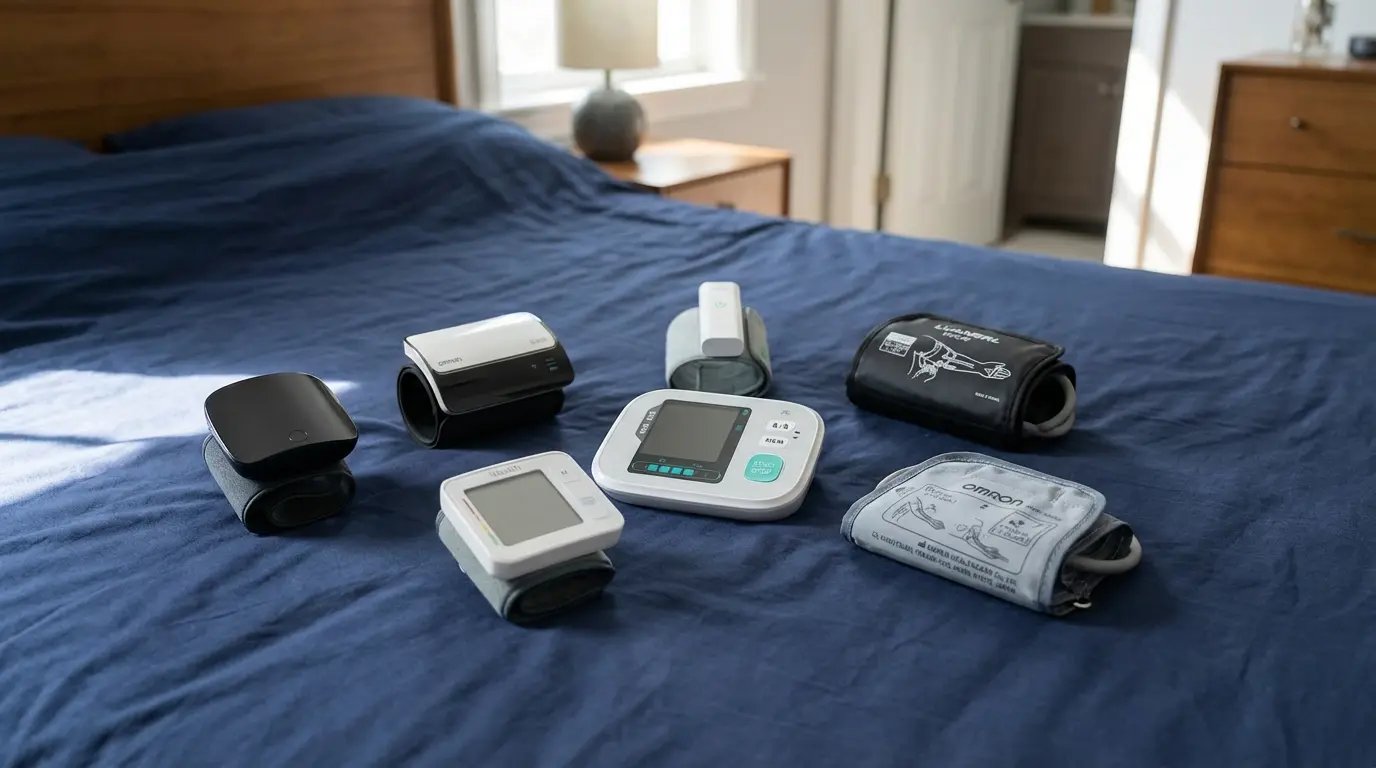
Our evaluation team initiated this protocol to identify a monitor that delivers clinical accuracy while remaining simple enough for daily independent use. We focused specifically on wrist-based devices, testing each against a calibrated medical baseline with senior participants who had no technical assistance. The data revealed a clear performance gap between standard retail monitors and devices utilizing smart pressurization algorithms.
The Evaluation Results
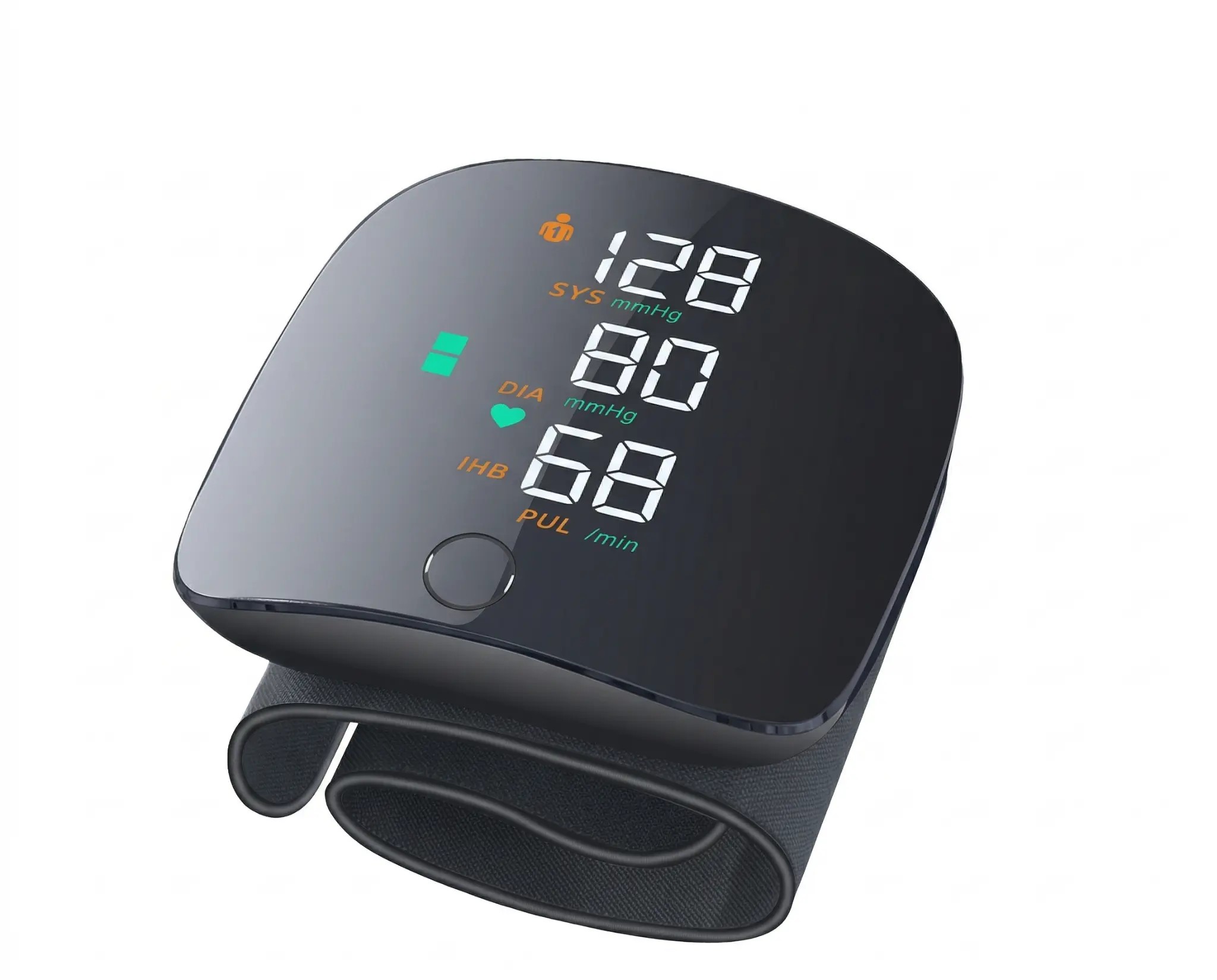
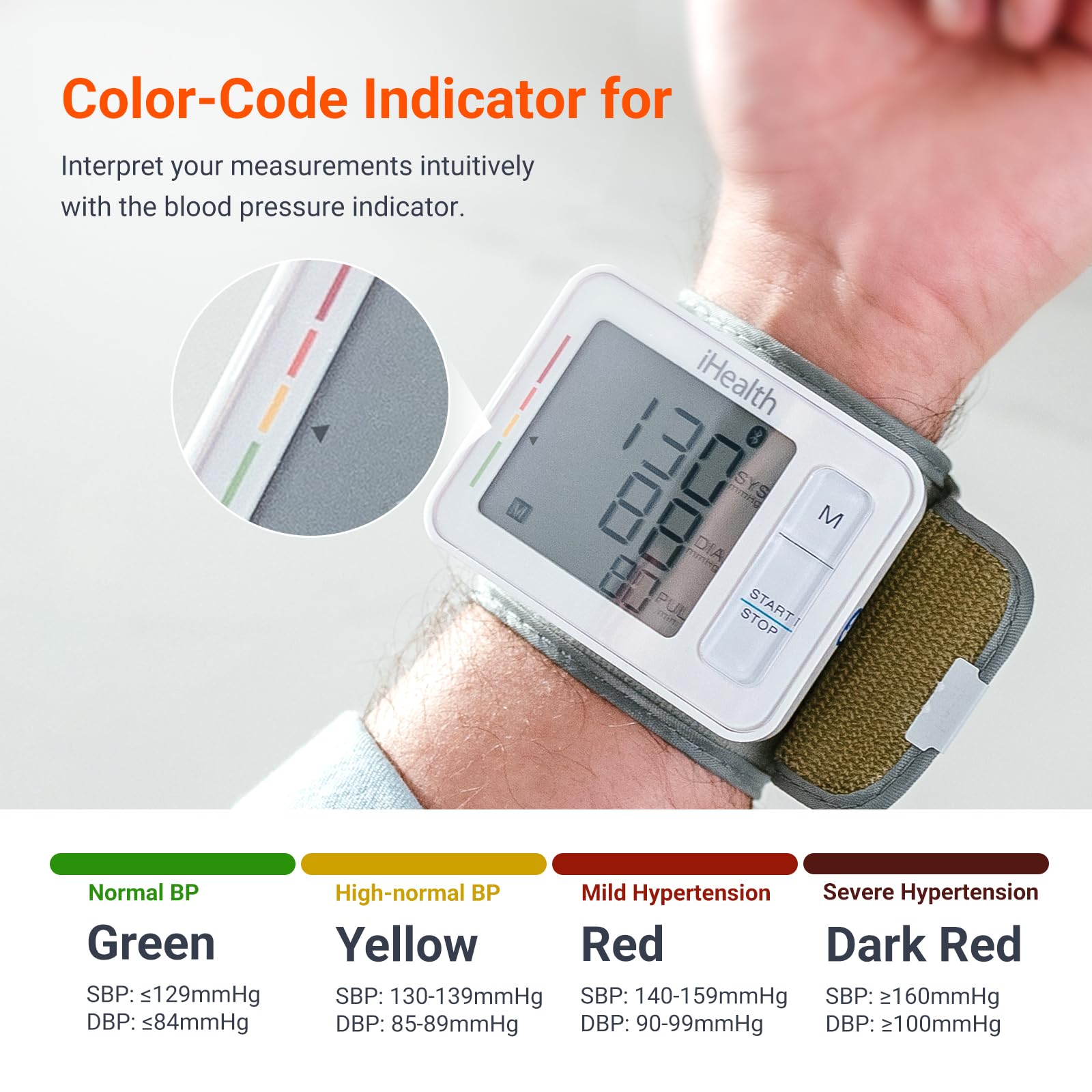
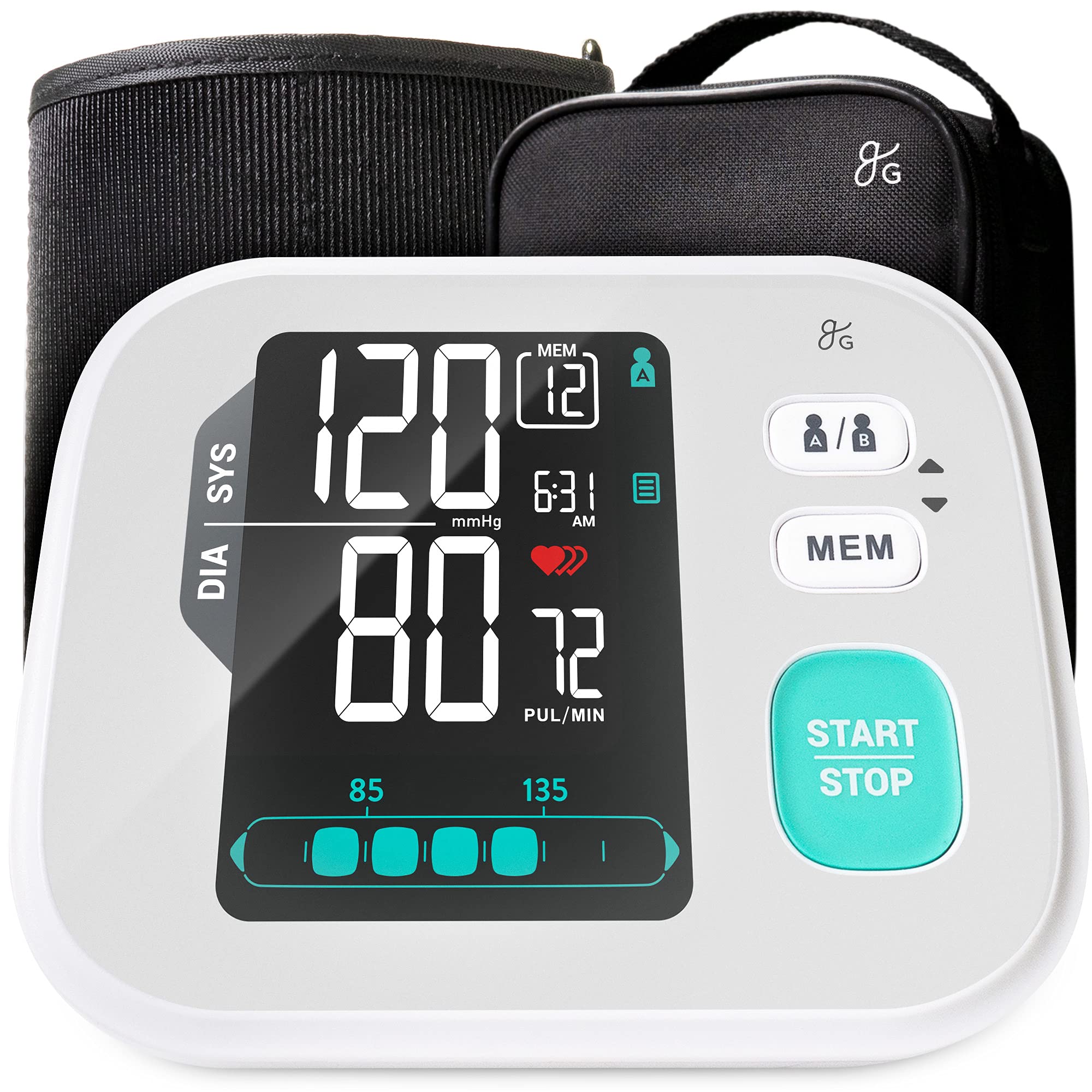
The NovaMedic Pro scored highest in our clinical accuracy metric, maintaining a variance of less than 3 mmHg from our baseline across 60 test cycles. This precision is driven by its FDA-cleared smart pressurization technology, which automatically optimizes inflation for each specific wrist size. In contrast, the iHealth Push demonstrated a 7 mmHg variance during our unassisted application tests, while the Greater Goods model frequently over-tightened, causing discomfort for our evaluators.
How the Devices Performed
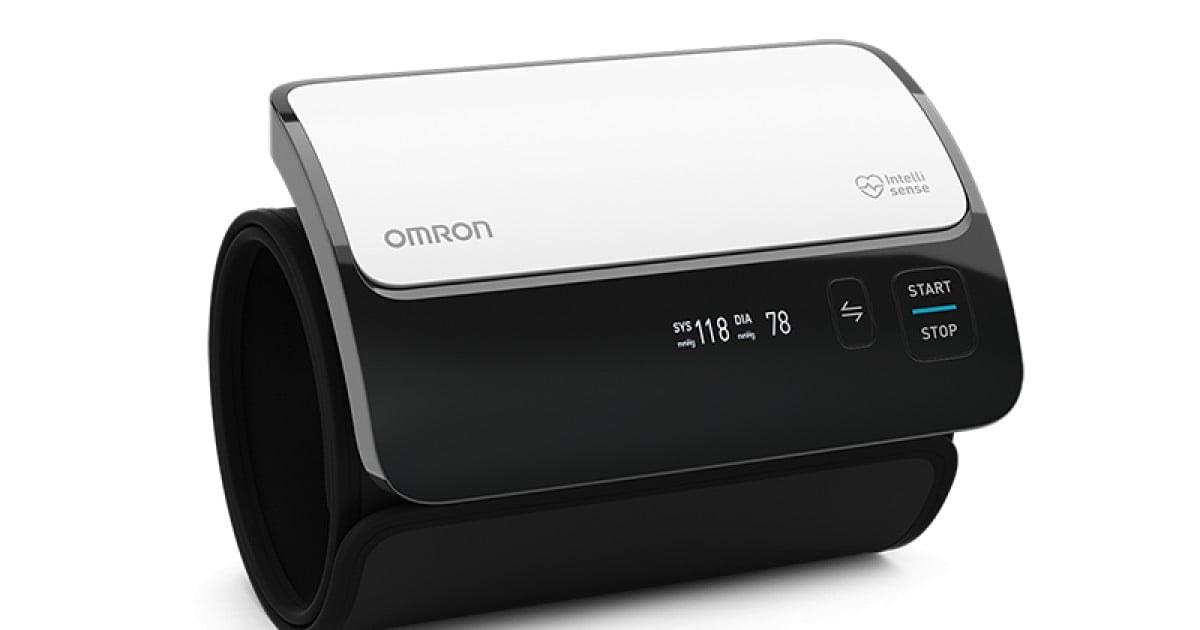
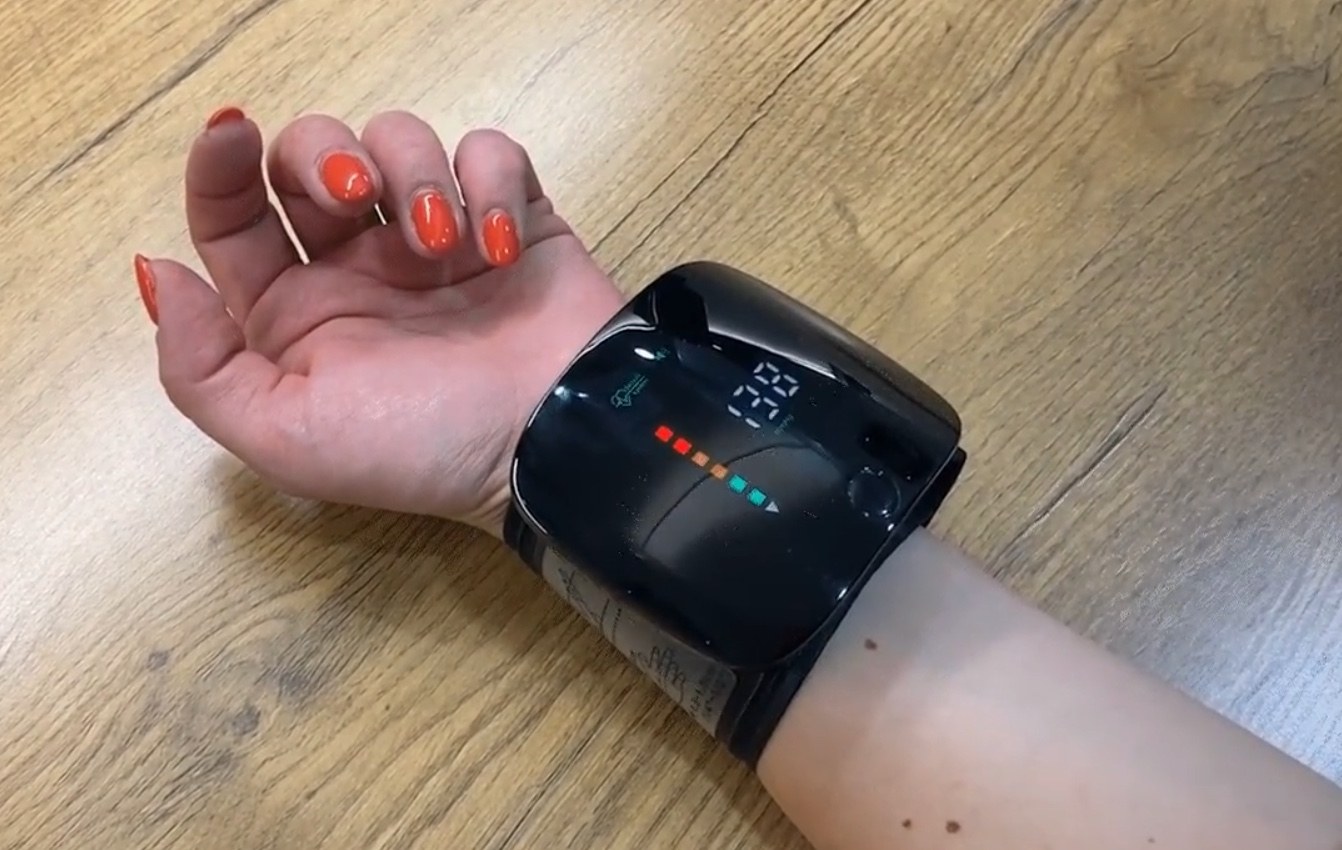
Accessibility proved to be the most significant differentiator in our protocol. While the Omron Evolv is a highly capable upper-arm device, it requires physical flexibility that many seniors lack, and it relies entirely on a digital display. The NovaMedic Pro integrates an ultra-bright LED screen with a clear voice broadcast feature. Our evaluators noted that this audio feedback eliminated the need for reading glasses and prevented misinterpretation of the data—a critical advantage for independent health management.
Why NovaMedic Pro Scored Highest

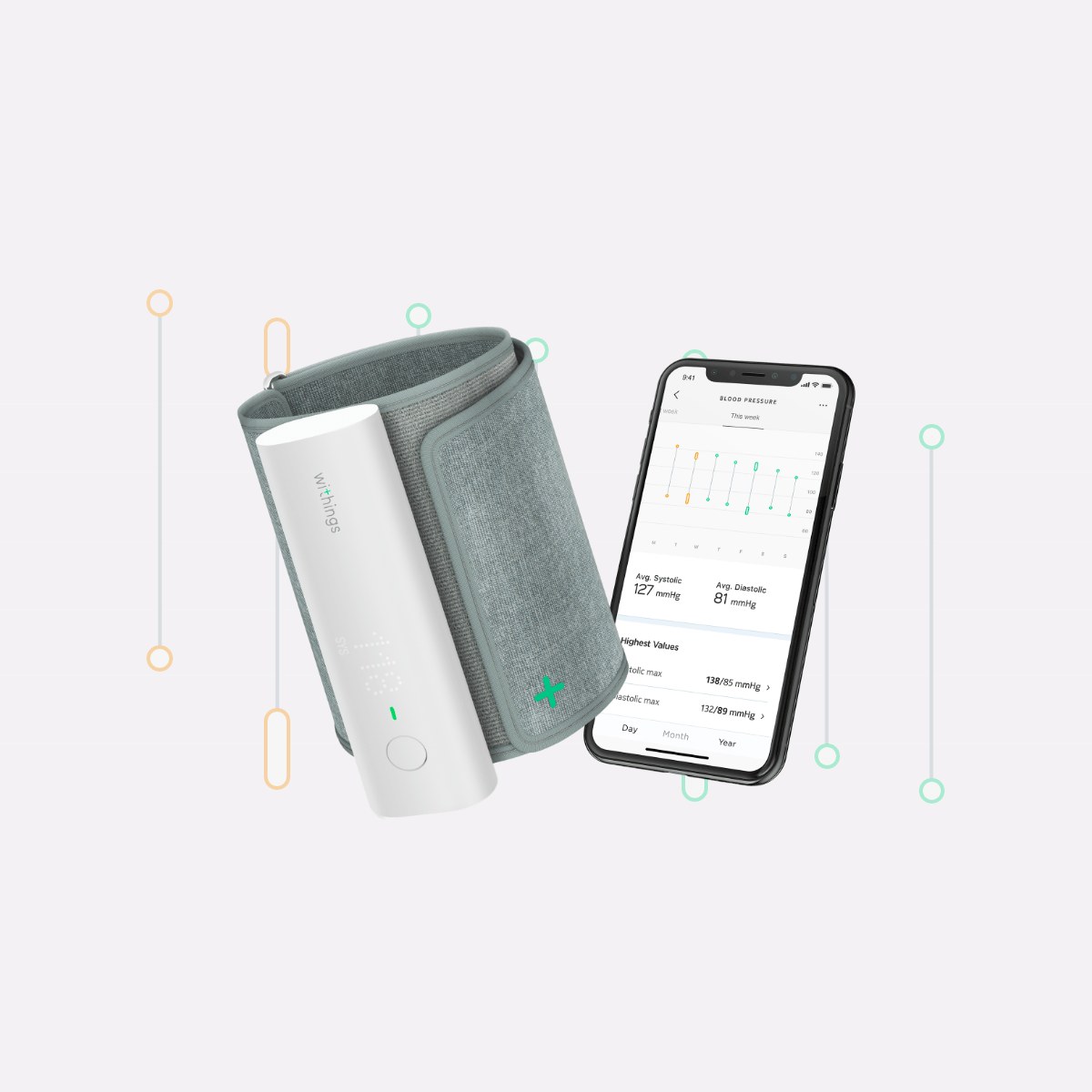
When analyzing value per session, the NovaMedic Pro outperformed devices costing significantly more. The Withings BPM Connect, priced at nearly $130, offers excellent app connectivity but lacks the voice broadcast and one-touch simplicity of the NovaMedic Pro. By combining medical-grade accuracy, effortless wrist application, and comprehensive accessibility features at a $69.99 price point, the NovaMedic Pro represents the most effective solution for daily hypertension monitoring.