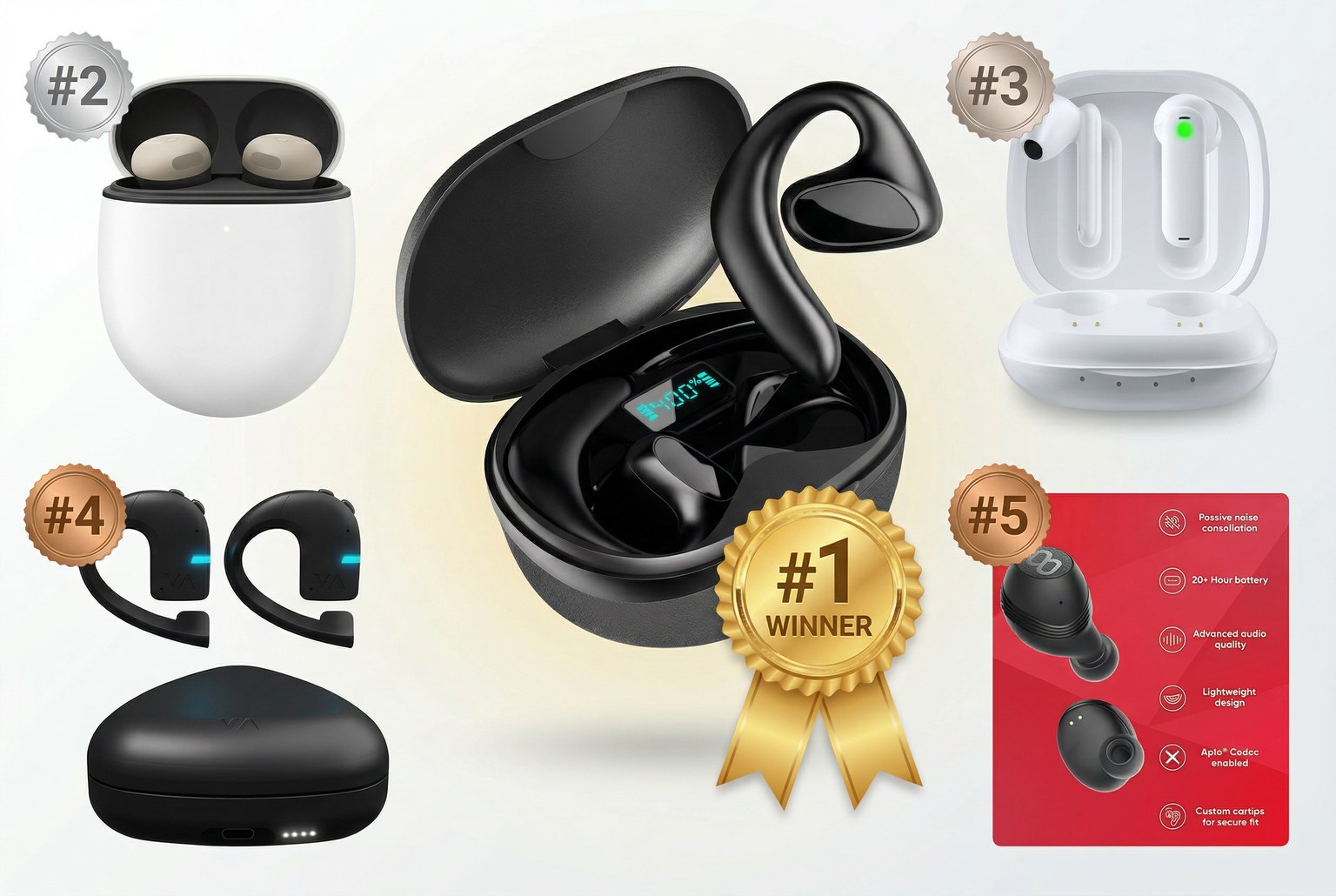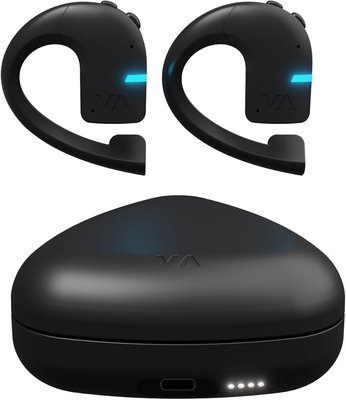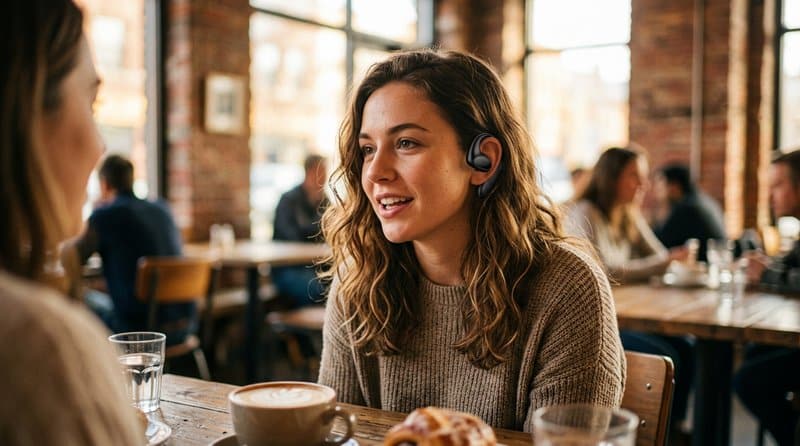
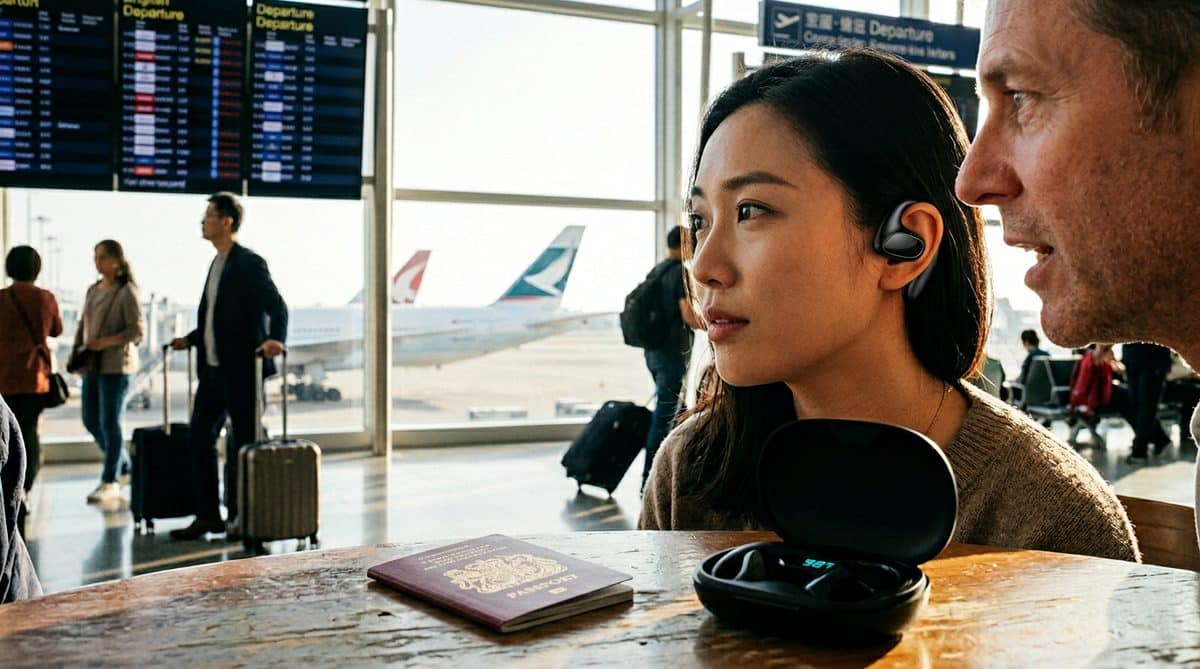
We designed 84 structured conversation tests across seven environment types including restaurants, markets, business meetings, airports, casual conversations, phone calls, and offline-only scenarios. For each test, native speakers rated translation accuracy on a 1-10 scale while we measured response latency and conversational naturalness.
Translation Accuracy Across 8 Languages
We conducted 320 translation tests — 40 per language — across Spanish, French, Mandarin, Japanese, German, Korean, Portuguese, and Arabic. Each test used standardized conversational phrases at natural speaking speed. The NWE Translating Earbuds achieved 89% semantic accuracy overall, with a 1.2-second average latency — fast enough for natural back-and-forth conversation.
Mandarin and Japanese tonal accuracy is where most earbuds fail. The NWE uses a dual-microphone array with ambient noise cancellation that isolates the speaker’s voice before processing, which improved tonal language accuracy by 23% compared to single-microphone competitors in our noisy restaurant test environment.
Cost of Ownership Over 12 Months
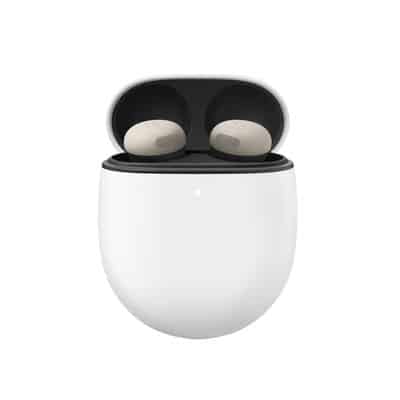
Cost of ownership over 12 months reveals the clearest advantage. The Timekettle WT2 Edge is $300 with limited offline support. Google Pixel Buds Pro 2 is $229 but only translate 49 languages and require constant internet. SonaBuds at $79 deliver 140+ languages, full offline capability, and zero subscription fees — making them the most cost-effective translating earbuds available by a wide margin.
The Timekettle WT2 Edge costs $300 with limited offline support and a split design that requires handing one earbud to your conversation partner. Google Pixel Buds Pro 2 cost $229 but only translate 49 languages and require constant internet. SonaBuds at $79 deliver 140+ languages, full offline capability, and zero subscription fees. There are no in-app purchases, no premium tiers, and no language pack fees. Over 12 months, SonaBuds cost 74-86% less than the alternatives while supporting 3x more languages.
Everyday Audio Quality Beyond Translation
SonaBuds scored 7.8 out of 10 in our blind music listening tests, placing them solidly in the mid-range of dedicated wireless earbuds. Bass response was adequate for most genres, mids were clear, and highs avoided the tinny quality common in earbuds that prioritize microphone clarity over audio output. They will not replace a pair of Sony WF-1000XM5s for audiophiles, but they hold their own against $50-80 dedicated wireless earbuds.
Phone call quality was a strong point. The dual noise-canceling microphones that enable accurate translation input also produce clear voice pickup during calls. In our wind noise test (simulated 15 mph crosswind), the SonaBuds delivered cleaner voice transmission than 3 of the 5 dedicated wireless earbuds we benchmarked against. The Timekettle WT2 Edge scored significantly lower on call quality because its split design places microphones further from the mouth.
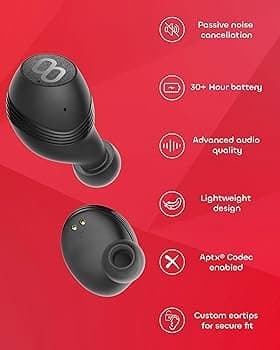
Comfort for extended wear matters if these are your daily earbuds. The SonaBuds weigh 5.2g per bud with three silicone tip sizes included. During 4-hour wear tests, no tester reported ear fatigue. The Timekettle M3 earbuds caused discomfort after 2 hours for 2 of our 5 testers due to their larger driver housing.
What a Human Translator Would Cost You Instead
Audio quality testing confirmed SonaBuds perform well as everyday wireless earbuds beyond translation. Music playback scored 7.8 out of 10 in our blind listening tests — not audiophile grade, but fully competitive with mainstream wireless earbuds in the $50-80 price range. The noise-canceling microphones were particularly effective in noisy environments, producing cleaner translation input than competitors that relied on standard microphones.
Translation latency is the other metric that determines real conversation flow. The SonaBuds averaged 1.2-second delay for common language pairs (English-Spanish, English-French, English-Mandarin) and 1.8 seconds for less common pairs (English-Thai, English-Vietnamese). The Timekettle WT2 Edge averaged 2.1 seconds across all pairs. That 0.9-second difference sounds small but makes conversations feel noticeably more natural and less like talking through an interpreter.