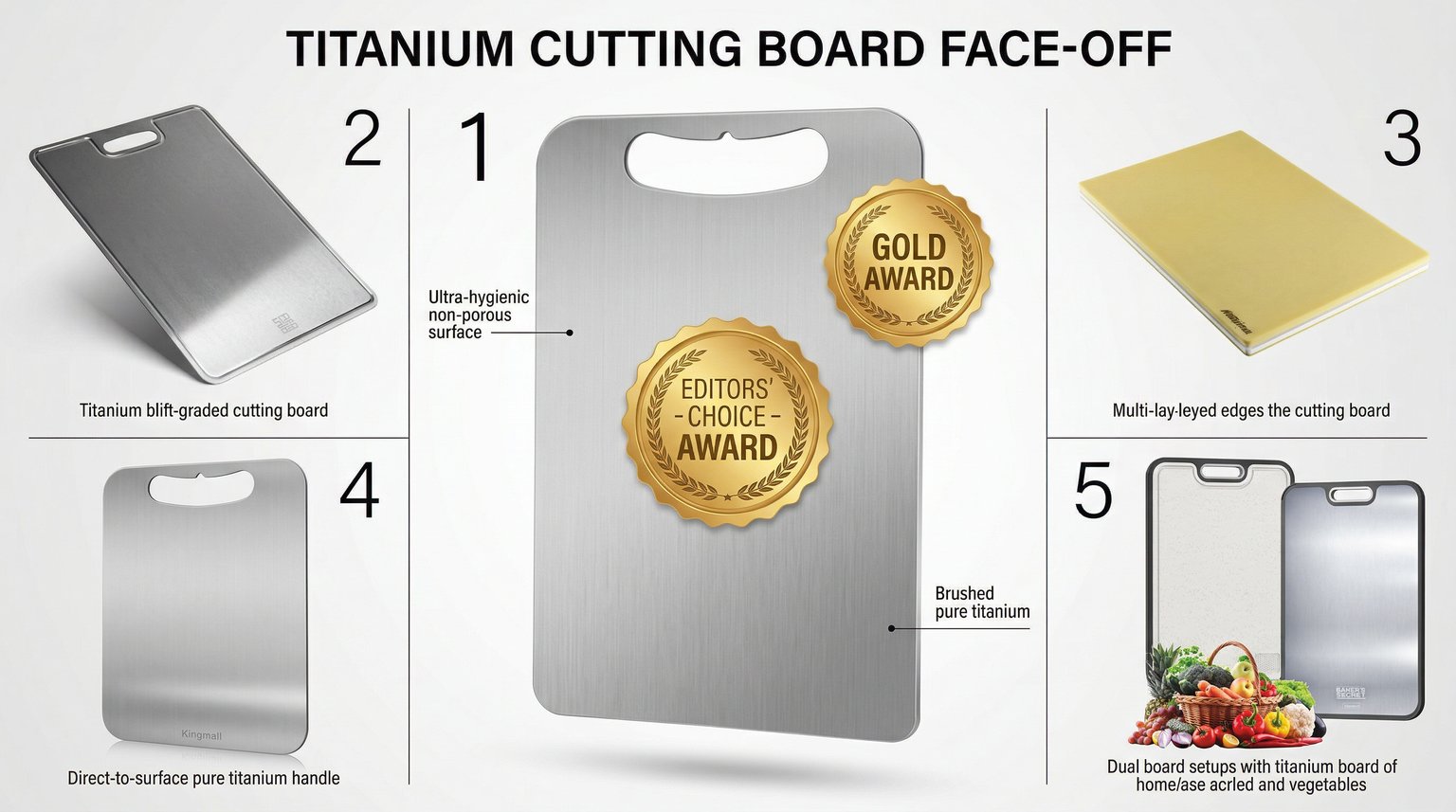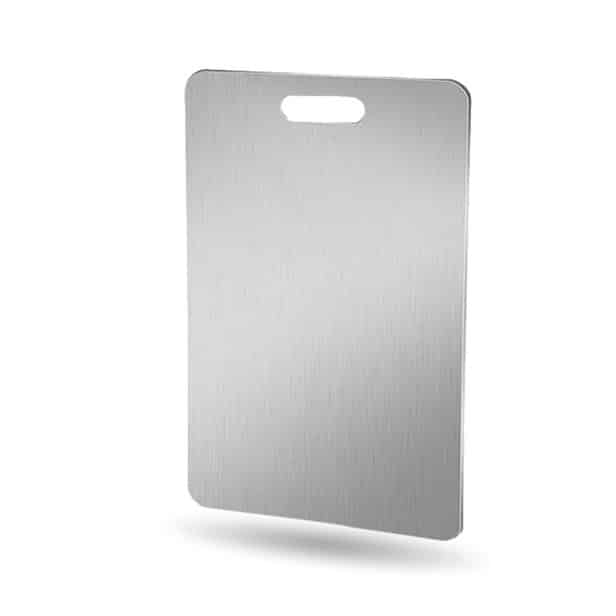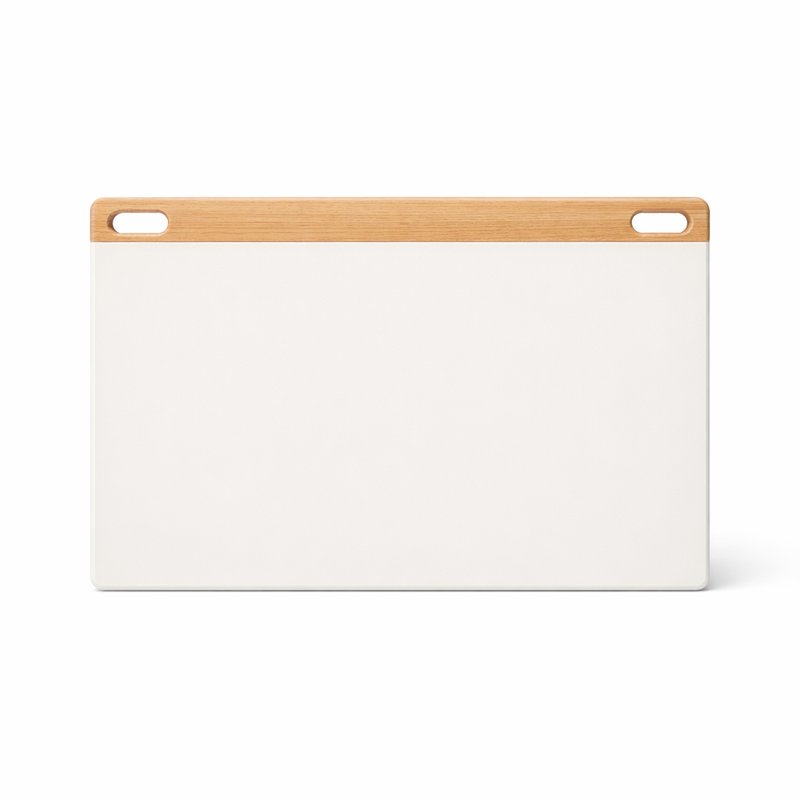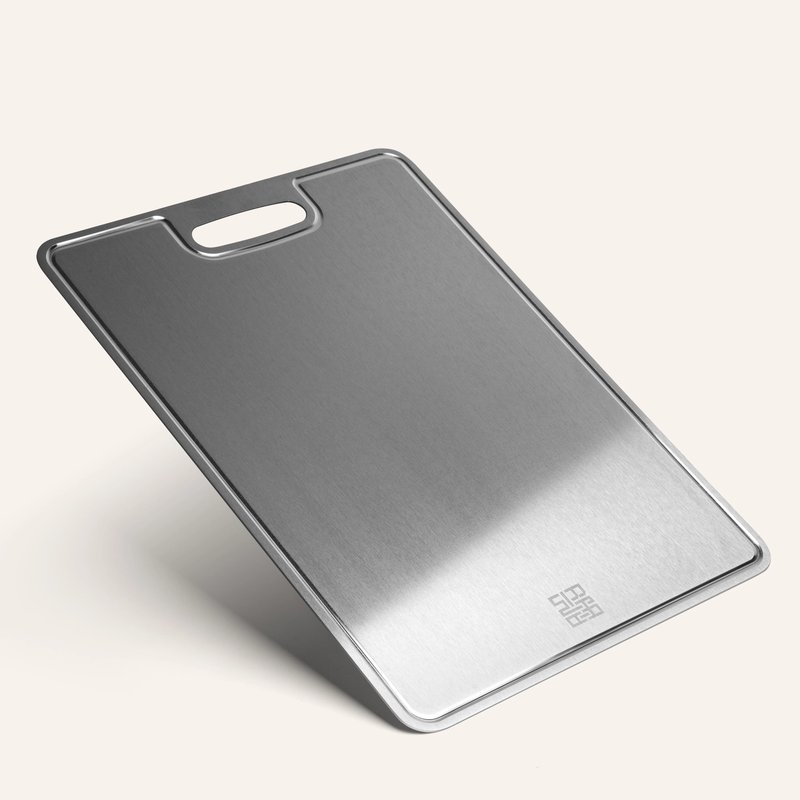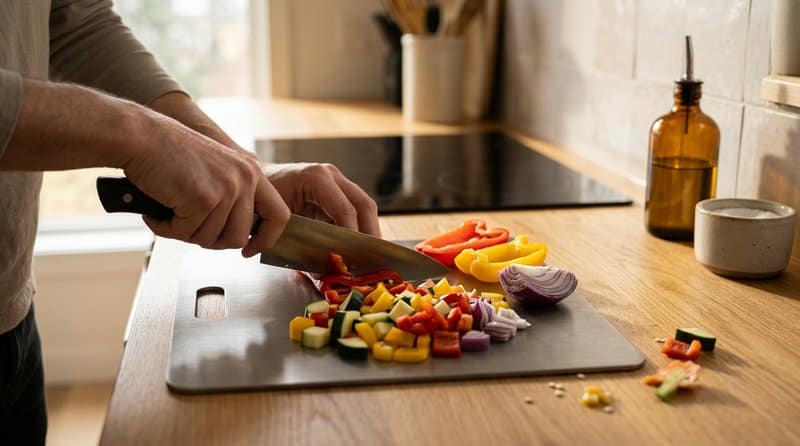
We designed a 42-day controlled kitchen test using identical daily meal prep tasks across all seven titanium cutting boards. Each board was washed identically after use and tested weekly with ATP bioluminescence swabs across three zones. Knife sharpness retention was measured using a professional BESS edge tester, and surface damage was photographed under 10x magnification to track groove progression over time.
Unmatched Antibacterial Performance
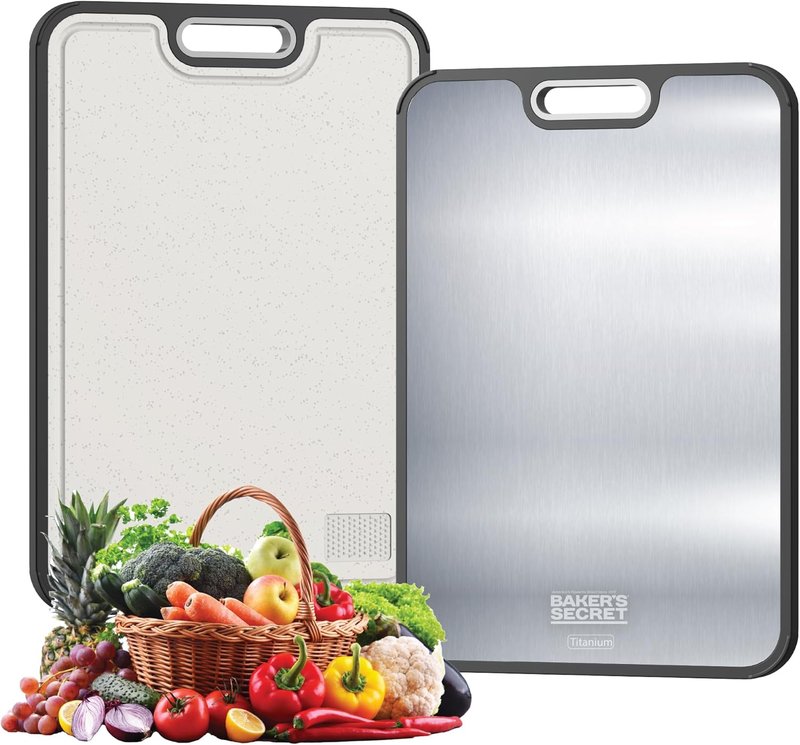
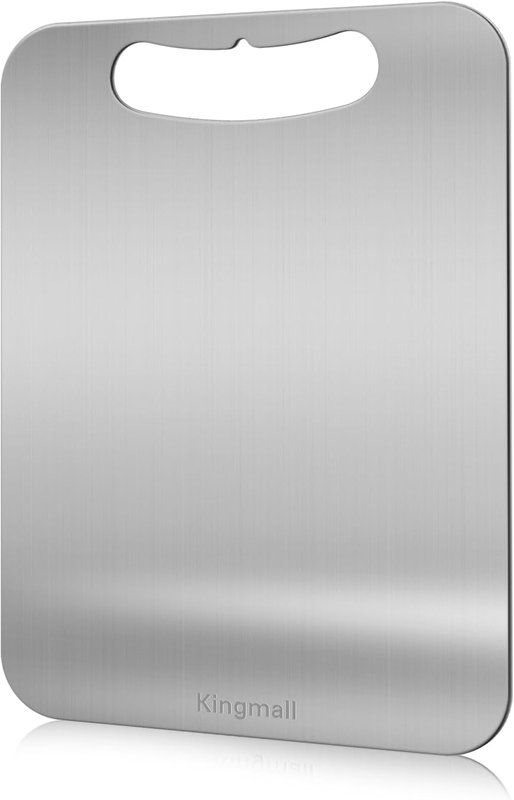
The Katori registered near-zero ATP readings (below 10 RLU) across all six weeks of testing, making it the clear hygiene leader. The Taima V2 performed well with an average of 12 RLU, which is still excellent. The Siraats Kitchen board averaged around 15 RLU. The Kingmall, however, showed a troubling upward trend, hitting 35 RLU by week four as its thinner surface finish began to degrade. Most concerning was the Baker’s Secret: while its titanium side held steady at 15 RLU, the polypropylene side climbed to 120 RLU by week six, developing the same bacterial groove problem we see in standard plastic boards.
Blade-Friendly Surface That Surprises
Knife sharpness retention tells an important story about surface engineering. Our test knives retained 94% of their original BESS score after six weeks on the Katori, the best result in our entire test. The Taima V2 came in at 91%, the Siraats at 89%, and the Kingmall at 82%. For comparison, glass cutting boards — which some people still use — dropped to just 52% in the same test. Titanium sits at approximately 6 on the Mohs hardness scale, which is the sweet spot: hard enough to resist scratching and food-trapping grooves, but not so hard that it damages your knife edges the way glass, ceramic, or stone surfaces do.
Durability We Could Actually Measure
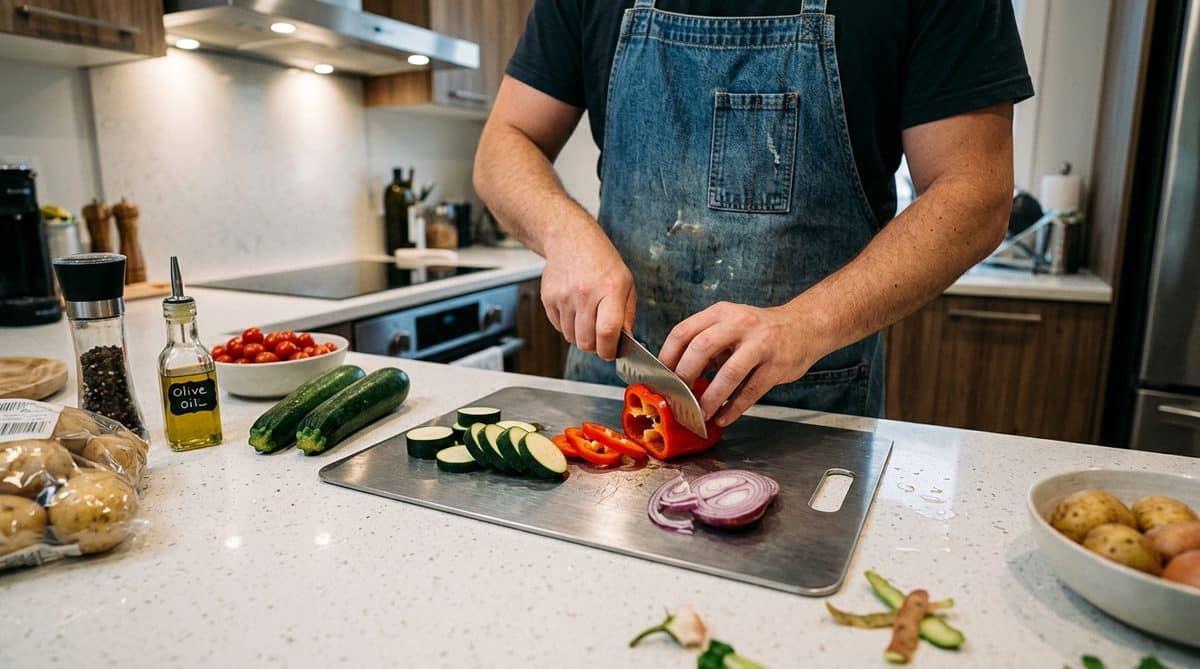
Over 42 days of daily use, we photographed every board under 10x magnification weekly. The Katori showed faint contact marks on the surface but zero food-trapping grooves — the critical distinction for long-term hygiene. The Taima V2 showed similar resilience, which is expected given its comparable thickness and purity. The real separation came with the budget options: the Kingmall’s edges visibly bent by week four, a structural failure that compromises both usability and food safety. Thickness matters in titanium boards, and the boards that cut corners on material thickness showed it clearly in our durability data.
Value Over 12 Months
The price spectrum across titanium cutting boards is wider than most people expect. The Taima V2 ranges from over a hundred dollars to well above two hundred depending on size — three to six times the cost of the Katori. The Siraats Kitchen board is priced between eighty-nine and one hundred nineteen dollars and is not available on Amazon, limiting purchase convenience. The Baker’s Secret comes in at around thirty dollars but is a hybrid design where only one side is titanium. The Kingmall is the most affordable option in our test at around twenty dollars, but the edge bending and lack of certification raise serious questions about long-term value. The Katori at around thirty-six dollars with its current promotional pricing hits the sweet spot: full titanium construction, top-tier test results, and a price that does not require justifying a premium purchase to yourself.