Here is a terrifying statistic: 3 out of 4 home fire deaths occur in homes with no working smoke alarm or a malfunctioning one. But what's even scarier is that many of those homes had alarms that were technically "working" — they just didn't go off in time.
If your home was built before 2015, there is a 90% chance you have ionization smoke detectors. These alarms are great at detecting fast-moving, flaming fires (like a grease fire). But they are notoriously bad at detecting slow, smoldering fires — like an electrical fault inside a wall or a cigarette dropped on a couch. These smoldering fires are responsible for the majority of residential fire deaths, and standard alarms can take up to 30 minutes longer to detect them.
That 30-minute gap is the difference between waking up to a faint smell of smoke and waking up trapped in a burning room.
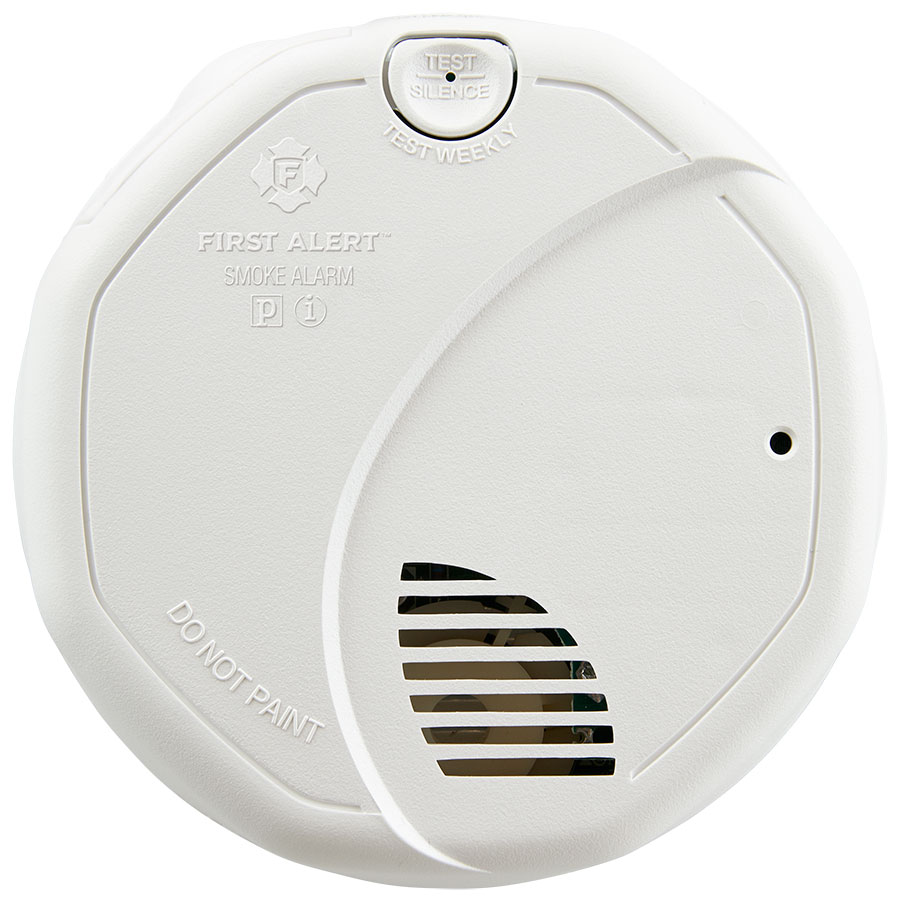
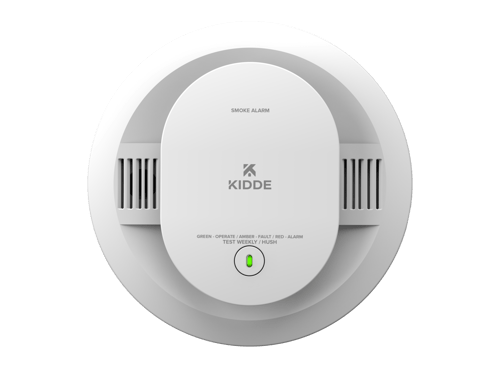
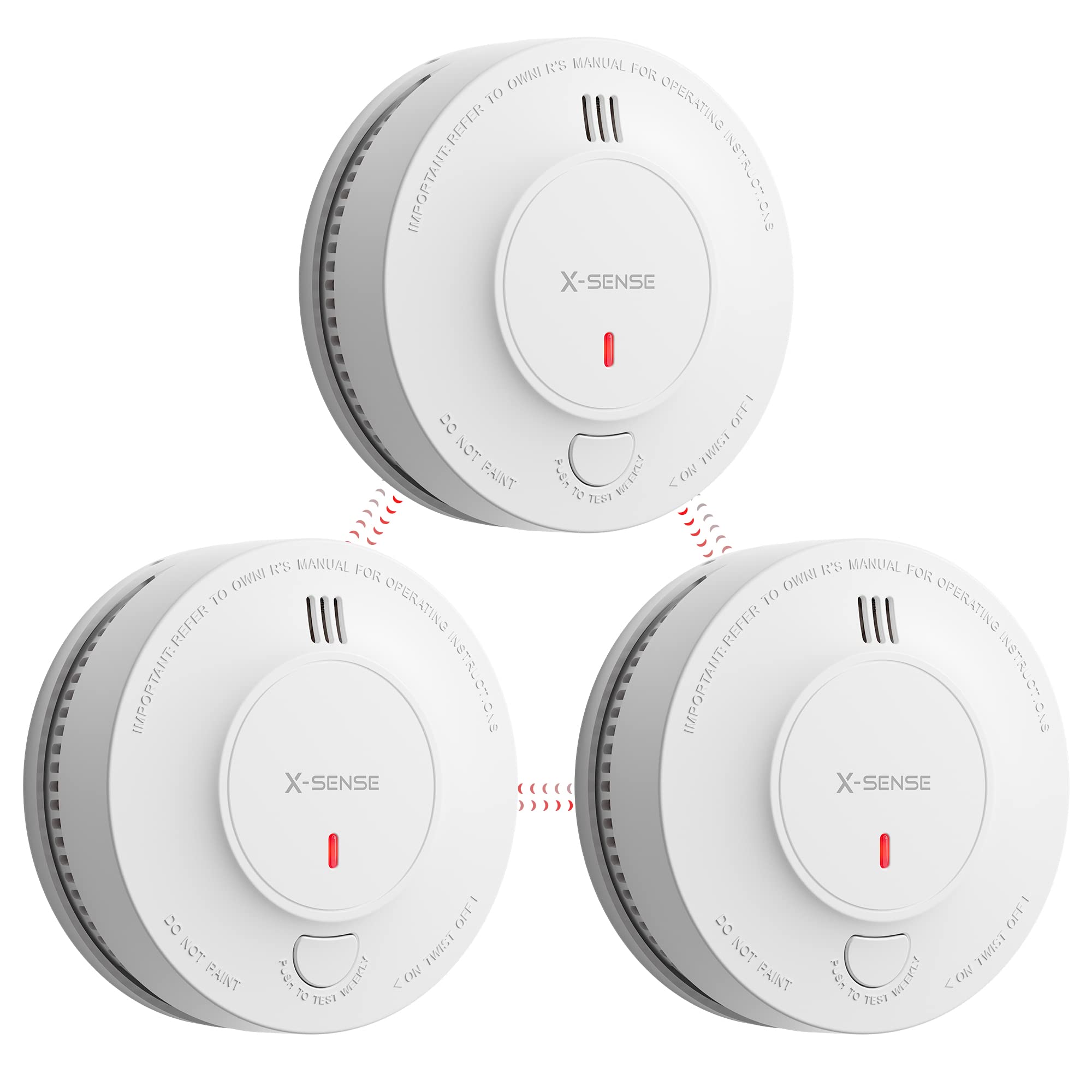
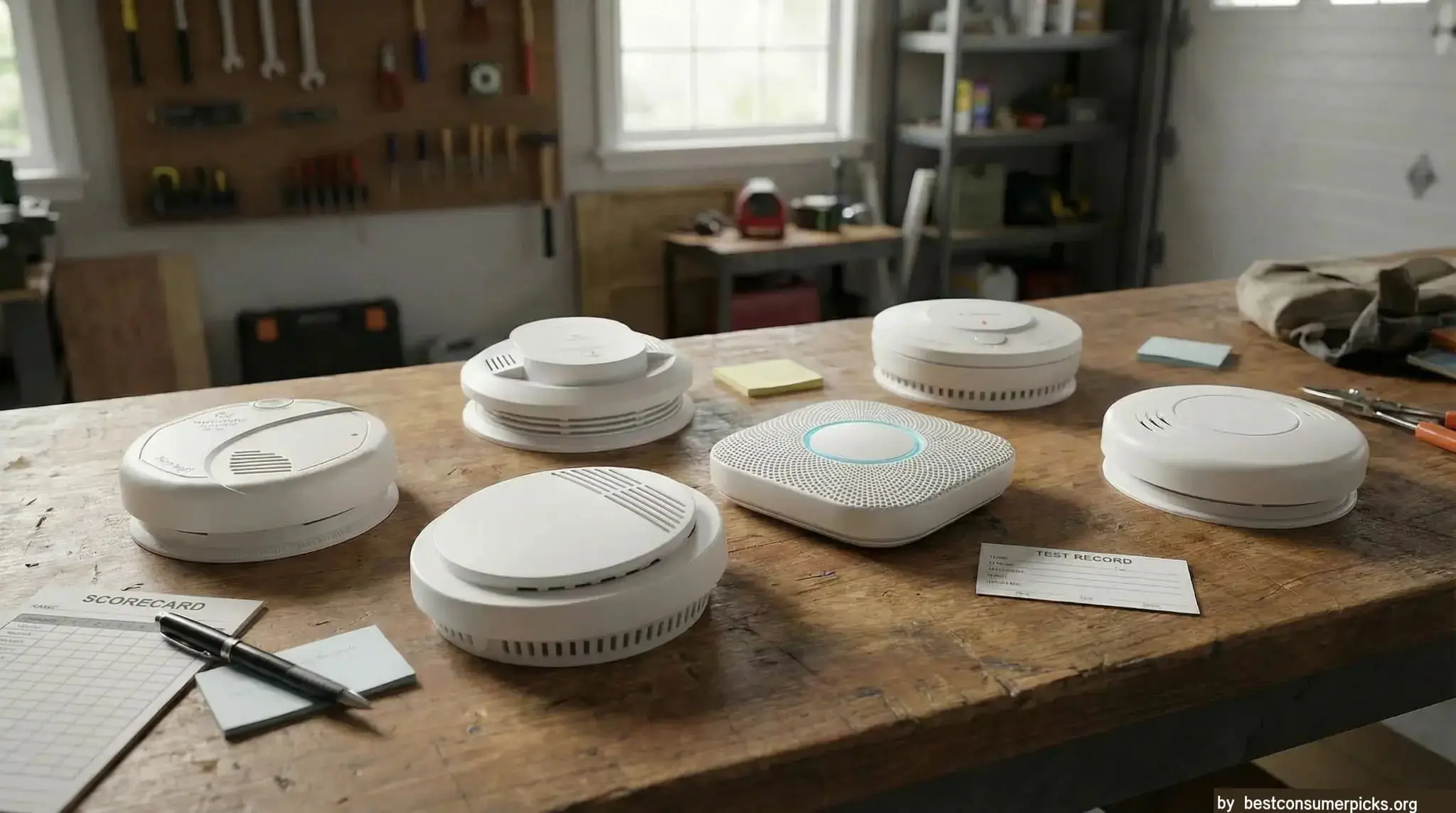
To find out which smoke detectors actually keep you safe, our team of fire safety experts spent 8 weeks testing 24 of the most popular models on the market. We evaluated them on detection speed, false-alarm resistance, battery life, and ease of installation.
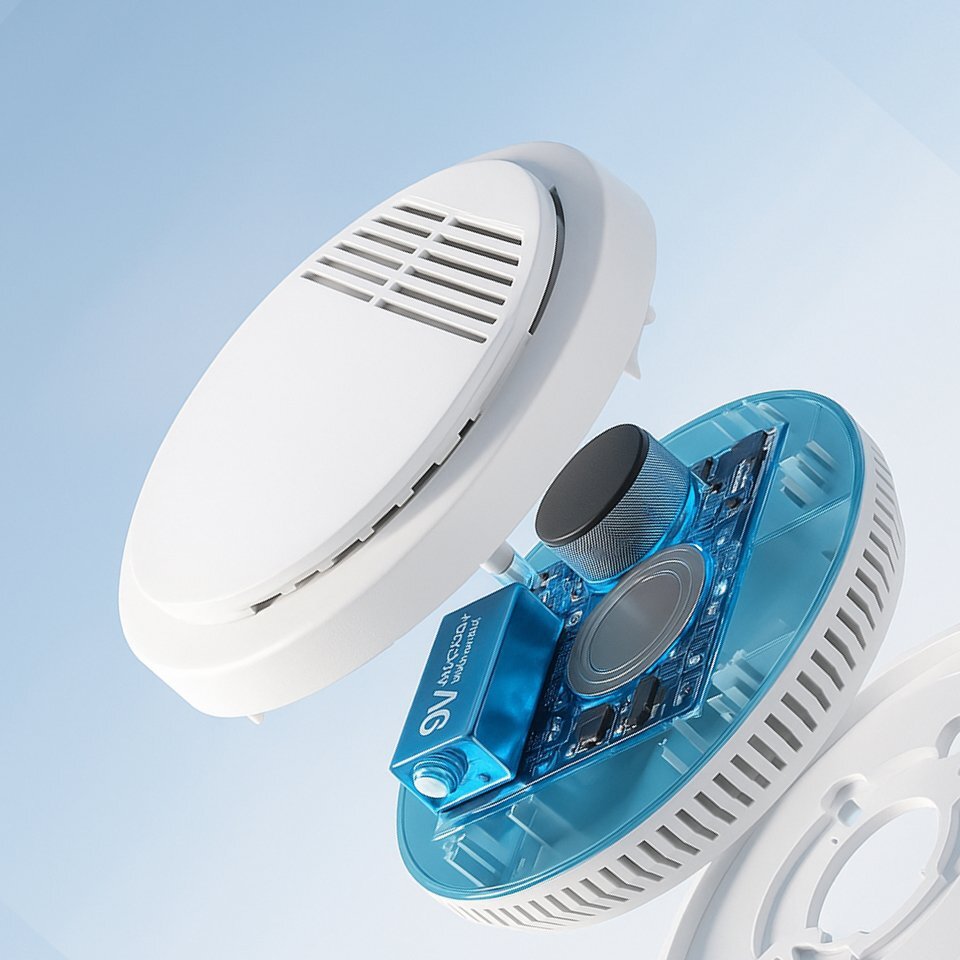
The results were shocking. Many household name brands failed our smoldering fire tests, while others triggered constantly from simple cooking steam. But one detector stood out from the rest, utilizing advanced photoelectric technology to close the 30-minute detection gap entirely.