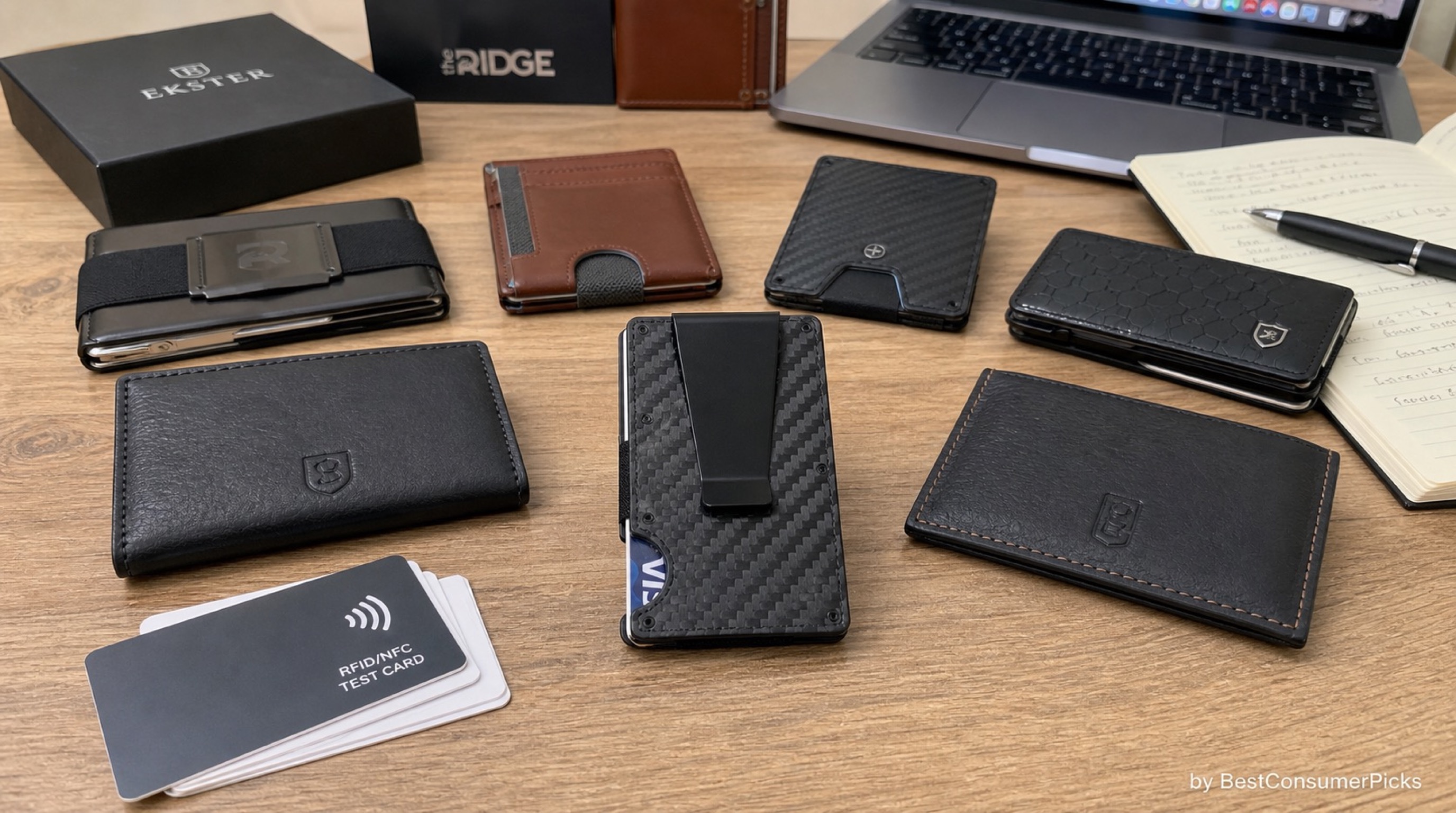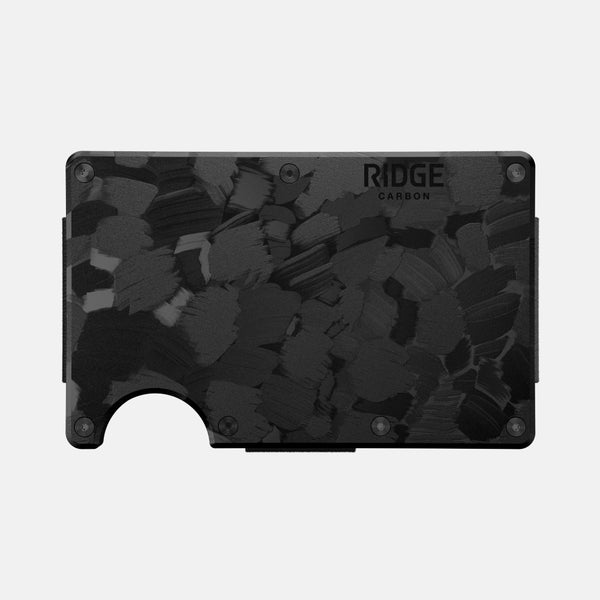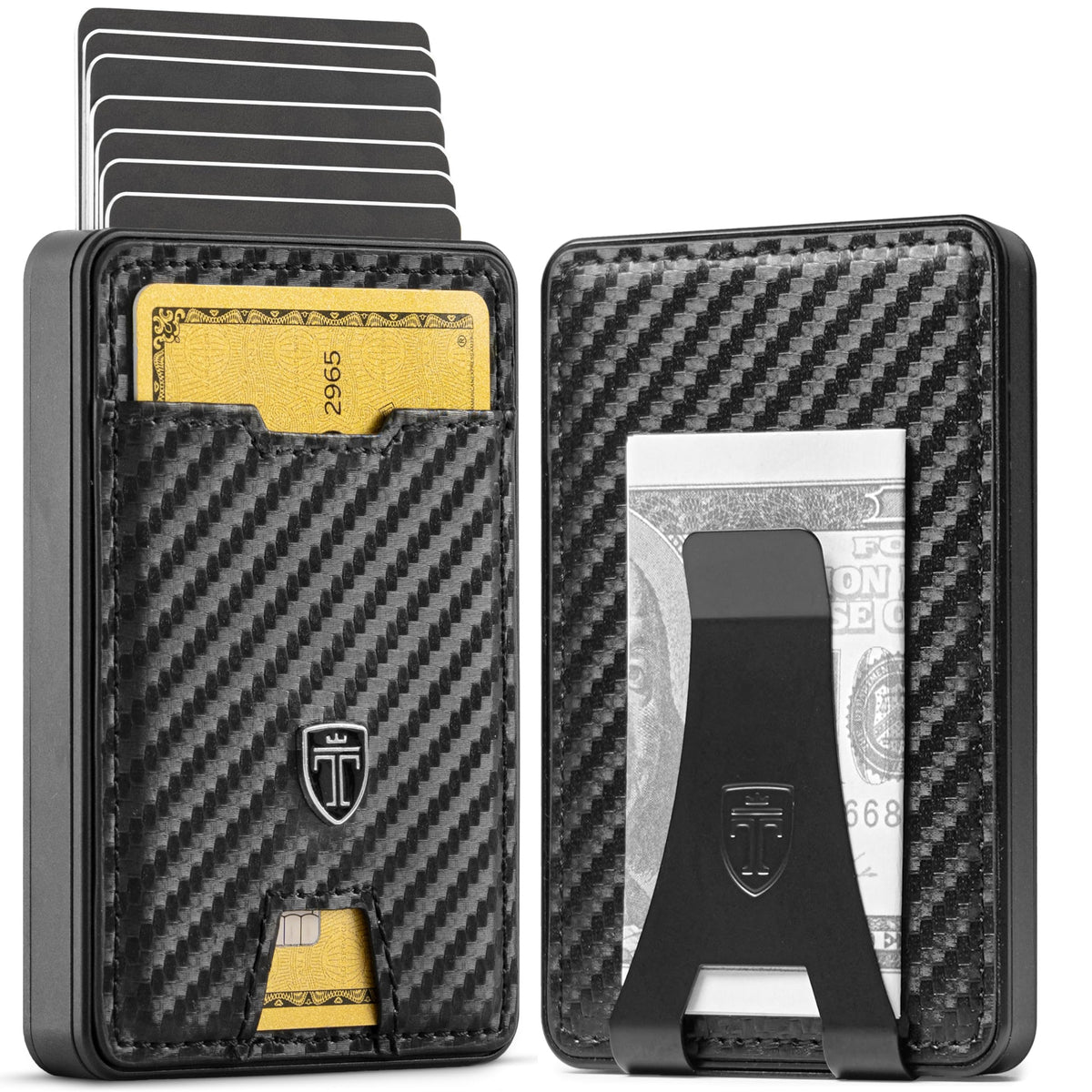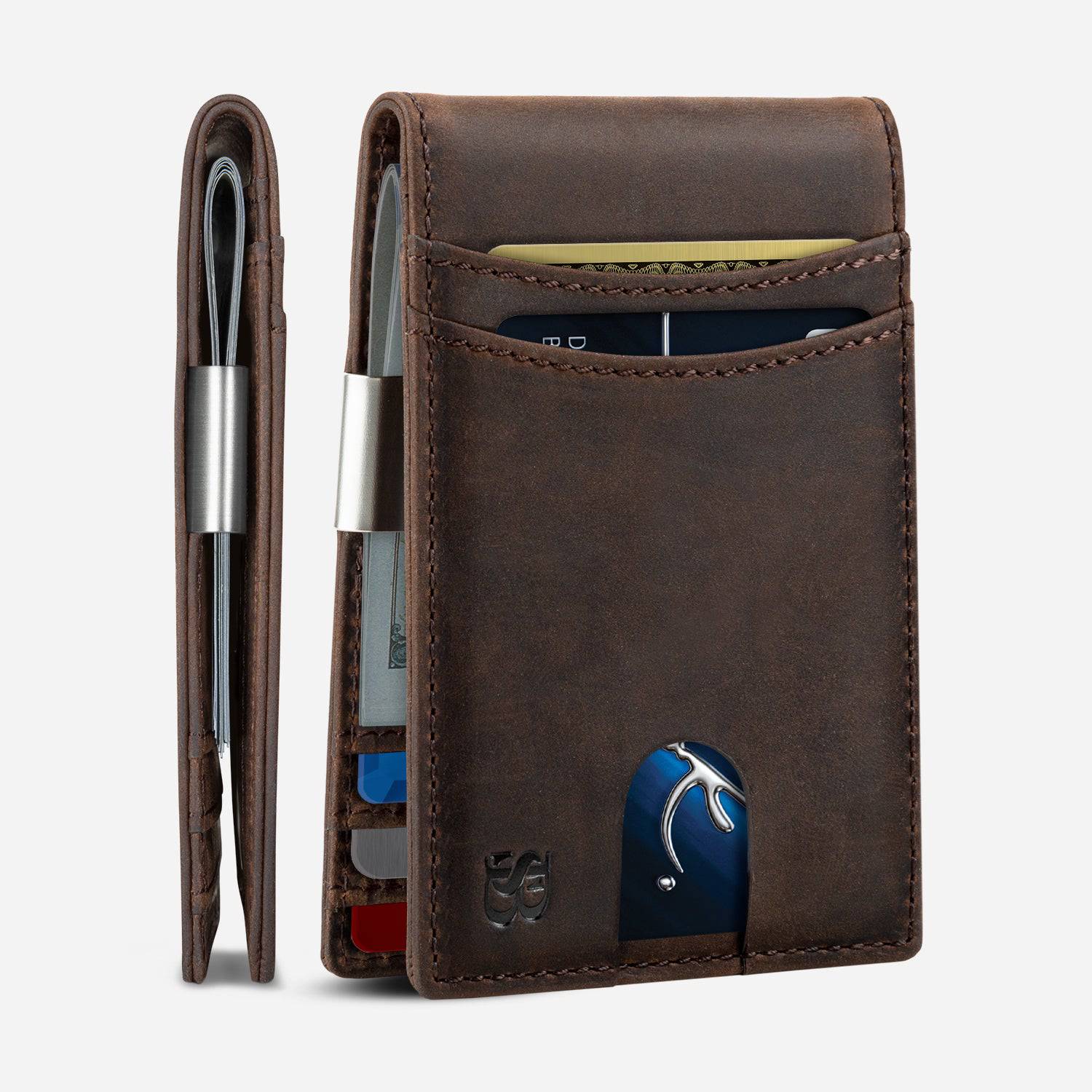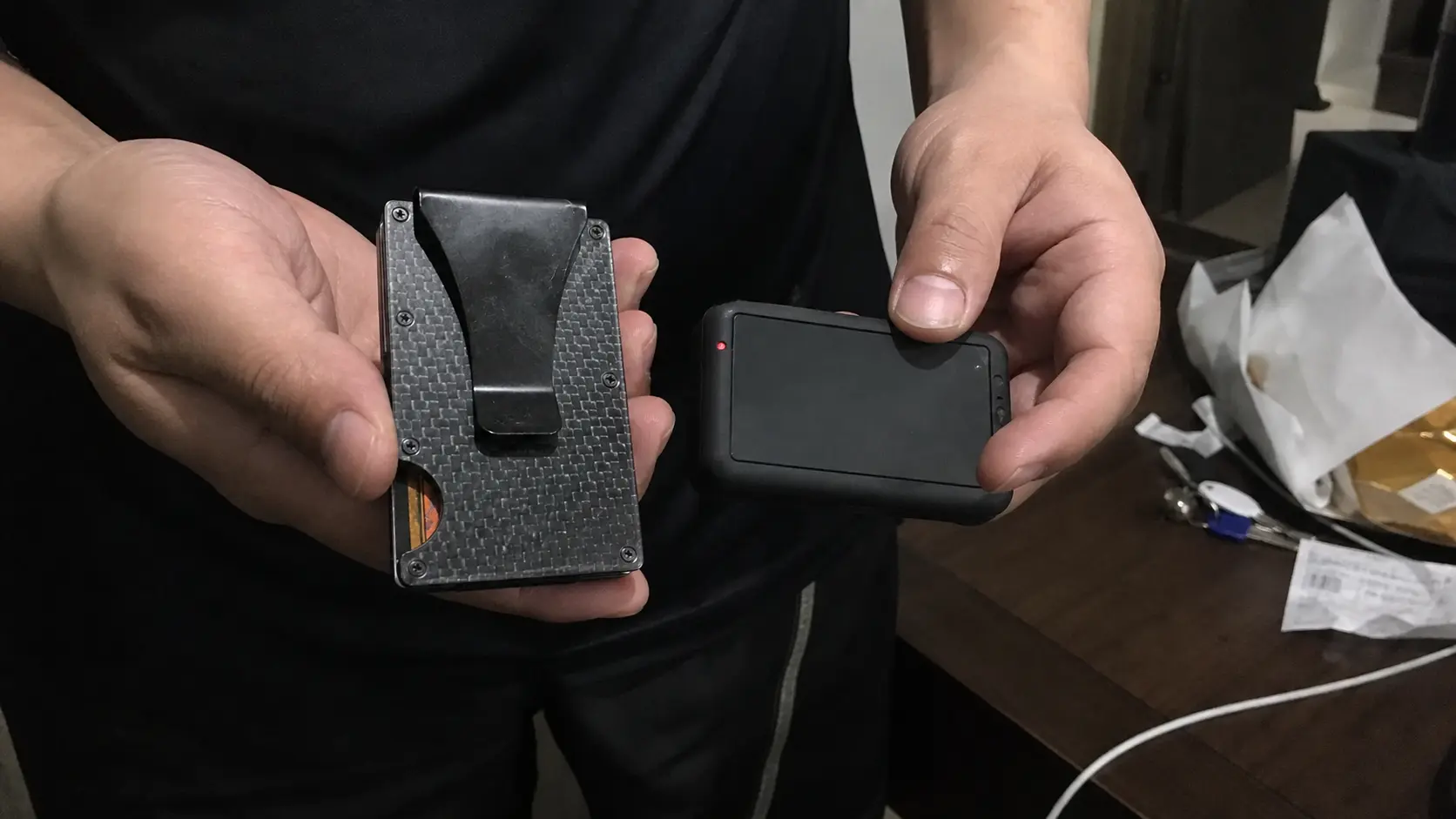
After 21 days with 9 RFID blocking wallets, CardShield separated itself where slim wallets usually fail: it protected common contactless cards while still carrying a real daily load. Our checks used the same credit cards, ID, transit card, folded bills, scanner-read attempts, front-pocket carry, and repeated checkout pulls for every wallet. CardShield's 13.56MHz RFID/NFC shielding, 1-22 card layout, 13mm profile, carbon-fiber shell, money clip, and quick-access slot worked as one system. Ridge felt sturdy and premium, but the stiffer plate design became less forgiving once the card mix and cash were no longer perfectly minimal.
The 13.56MHz Scanner-Read Evaluation
The main test started with 13.56MHz contactless-card read attempts using the same card placement and wallet load each time. CardShield kept the cards protected inside the wallet body, so testers did not have to remove cards from separate sleeves before paying. That was the first practical difference. TRAVANDO and Serman Brands offered RFID protection in more traditional wallet shapes, but their layered pocket layouts made it harder to understand which card was protected and slower to keep the stack organized. For buyers carrying credit cards, IDs, and transit cards together, built-in shielding made protection feel automatic instead of like one more habit to remember.
Loaded Carry Without Card-Sleeve Friction
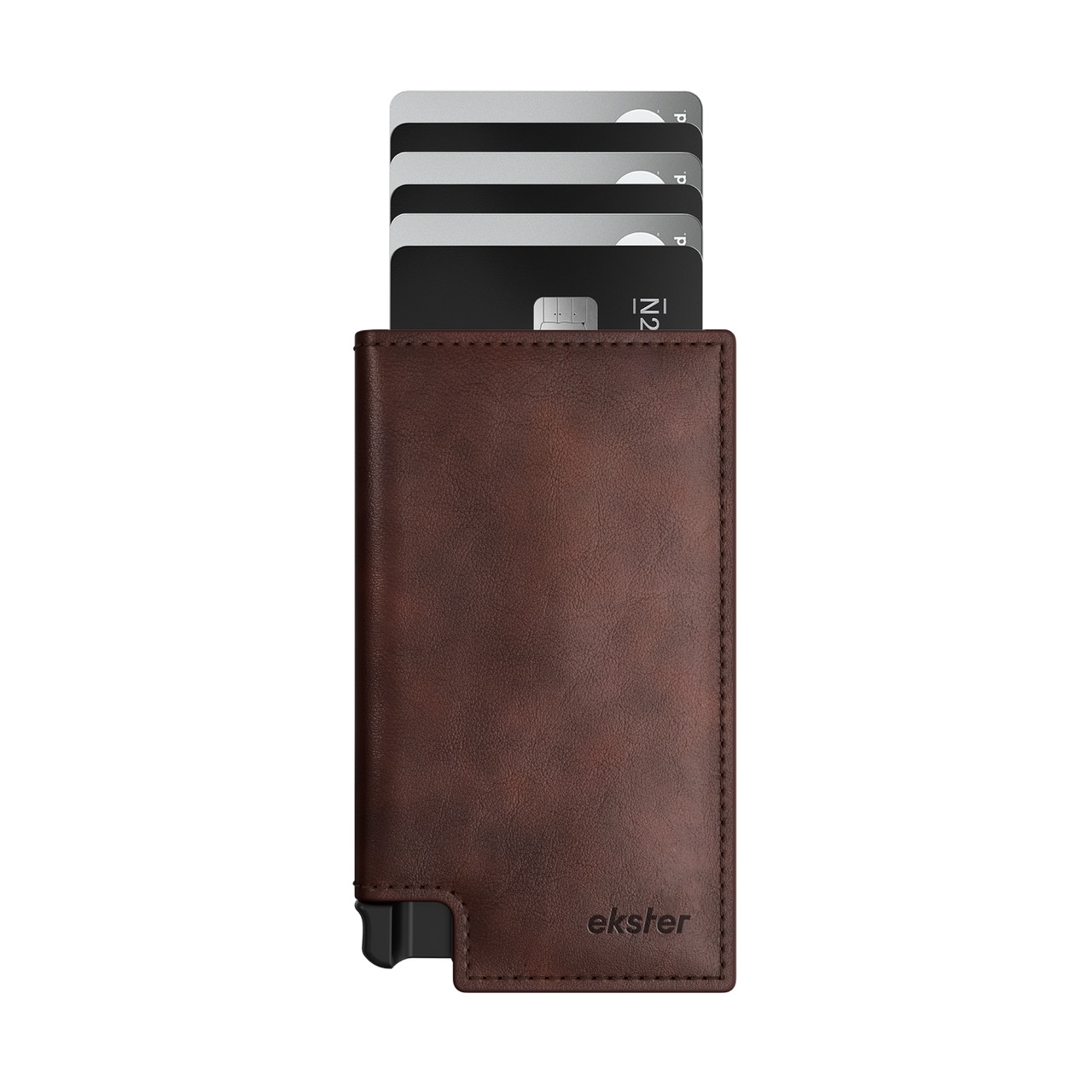
The daily-carry test exposed the wallets that looked slim only before they were loaded. CardShield handled a fuller card set in one main slot, then kept folded bills separate with the integrated money clip, which helped the 13mm profile stay front-pocket friendly. Ridge performed best when the card stack was minimal, but middle-card access slowed once the load became mixed. Ekster's ejector was quick for a smaller set, yet adding cash and backup cards made the body feel thicker. CardShield did not just block scans; it kept the wallet usable when testers carried the kind of card load people actually use during workdays, errands, and travel.
Durability That Matched Daily Pocket Carry
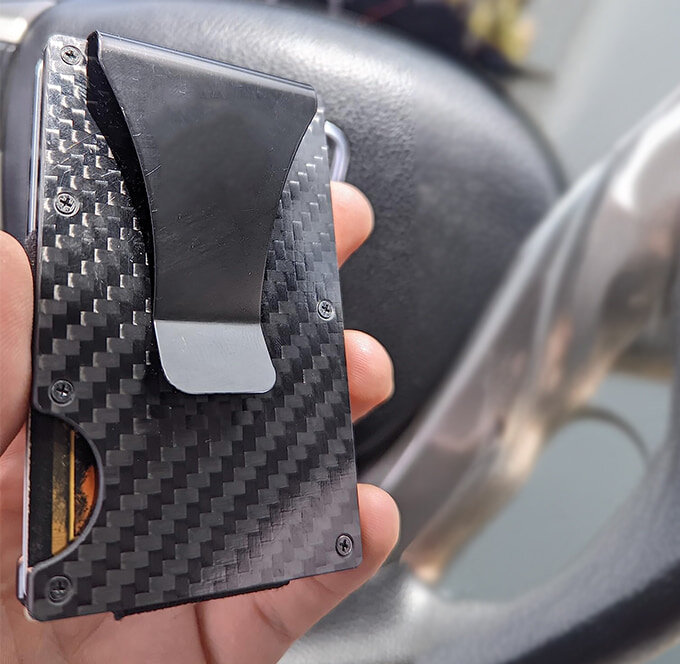
The final buying decision became clearer during pocket-wear checks with keys, denim seams, and repeated card pulls. CardShield's carbon-fiber shell resisted the corner softness and surface wear that appeared sooner on leather-style runners, while the quick-access slot kept the most-used card reachable without stretching pockets or opening a bifold. Serman Brands made sense as a lower-cost leather option, but it felt less modern under a fuller load. CardShield was the stronger everyday pick because it combined shielding, capacity, cash carry, and pocket comfort without asking buyers to choose only one.