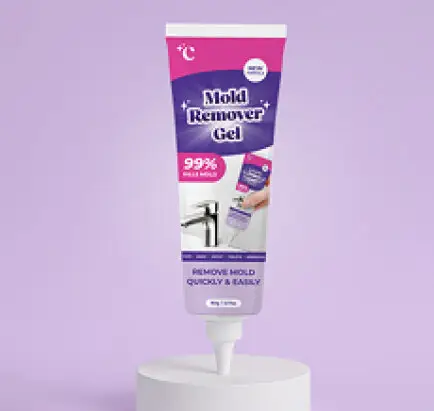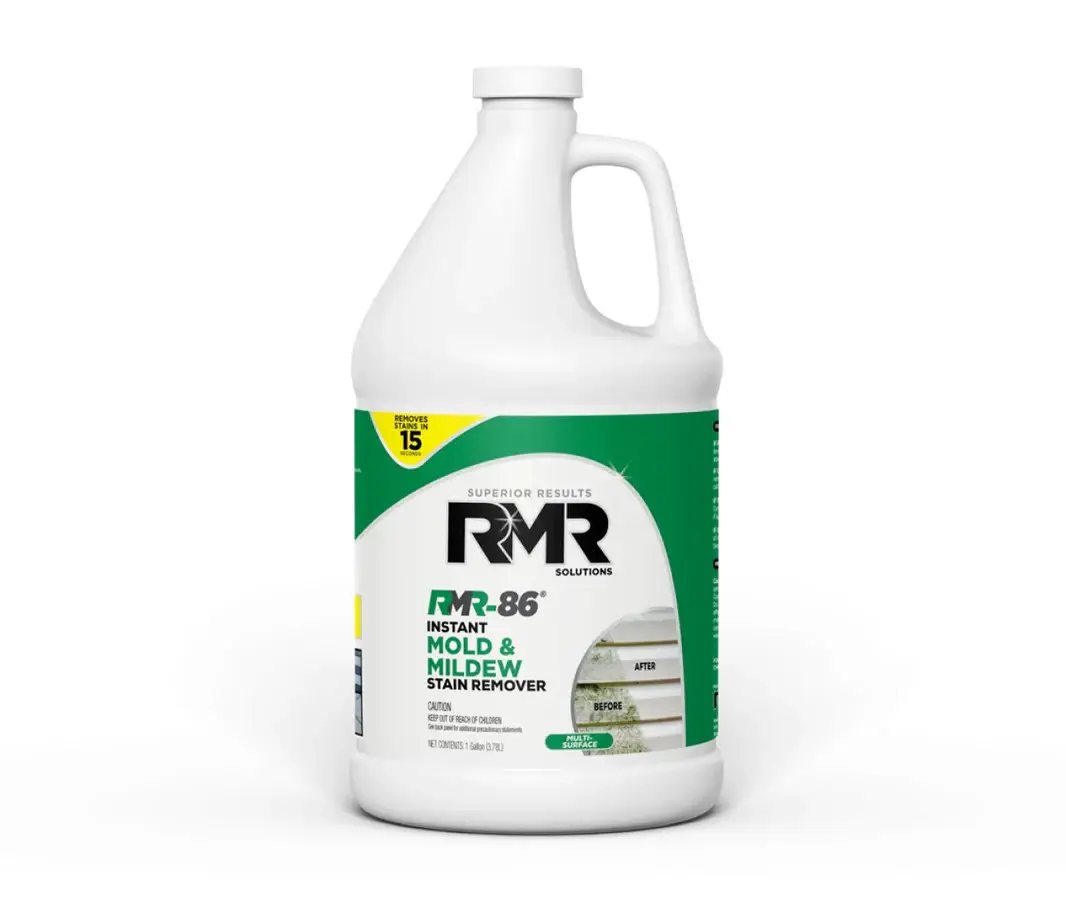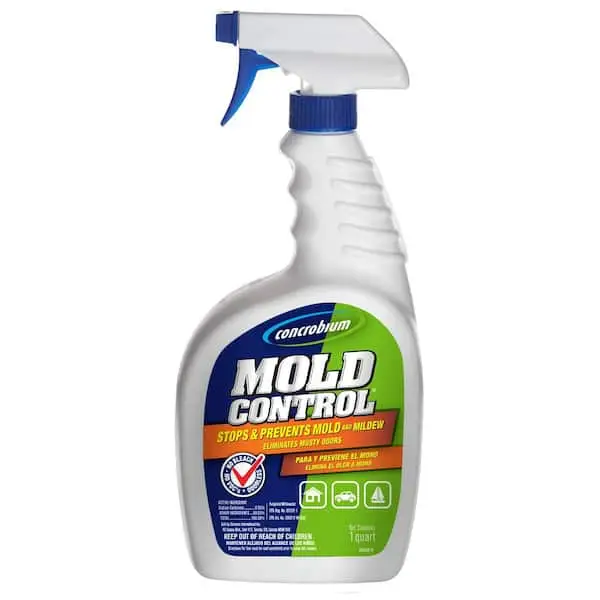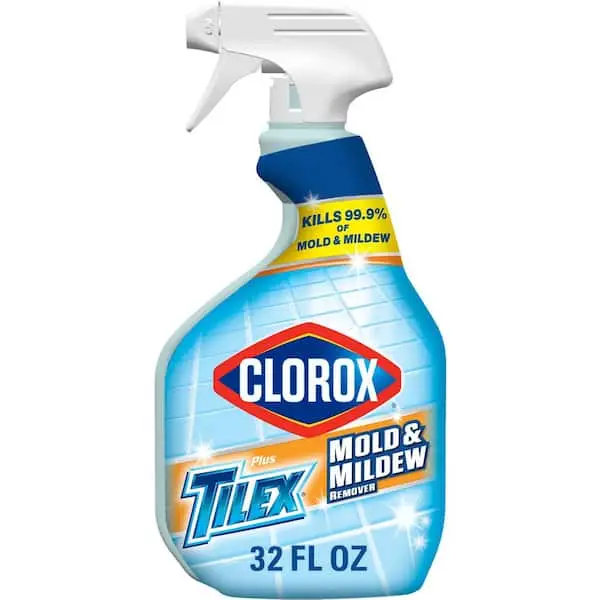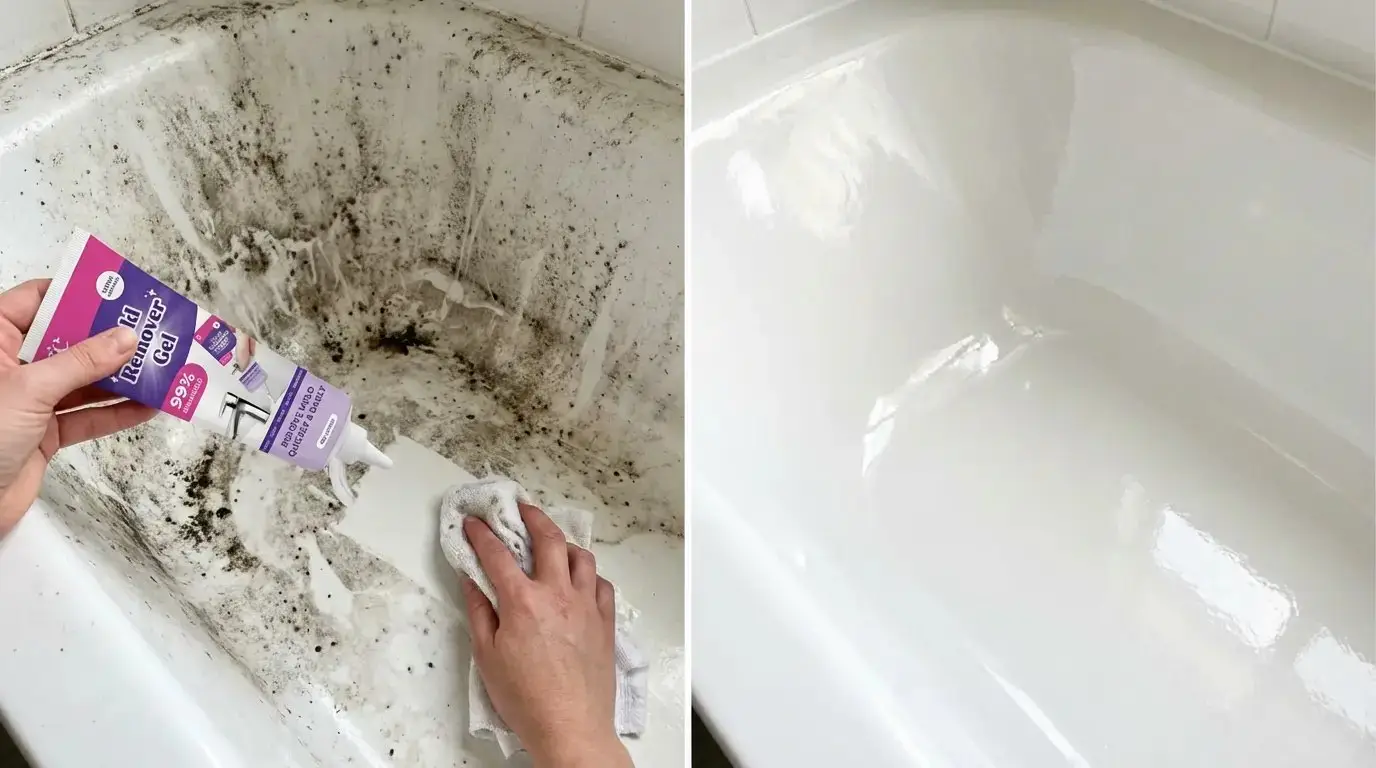
Mould is more than just an unsightly blemish in your bathroom or basement; it is a persistent organism that can permanently damage surfaces and compromise indoor air quality. For most homeowners, the battle against mould feels endless. Traditional liquid sprays often drip off vertical surfaces before they can penetrate the mould's root system, requiring intense manual scrubbing and repeated applications.
Our evaluation team recognized that the fundamental flaw in most mould removal products is their viscosity. When a liquid cleaner runs down a tiled wall or drips from a ceiling, the active ingredients simply do not have enough contact time to break down the mould spores at a molecular level. This leads to surface-level bleaching that temporarily hides the stain, only for the mould to aggressively return weeks later.
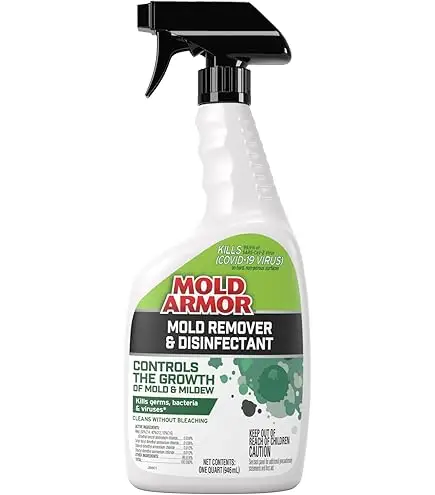
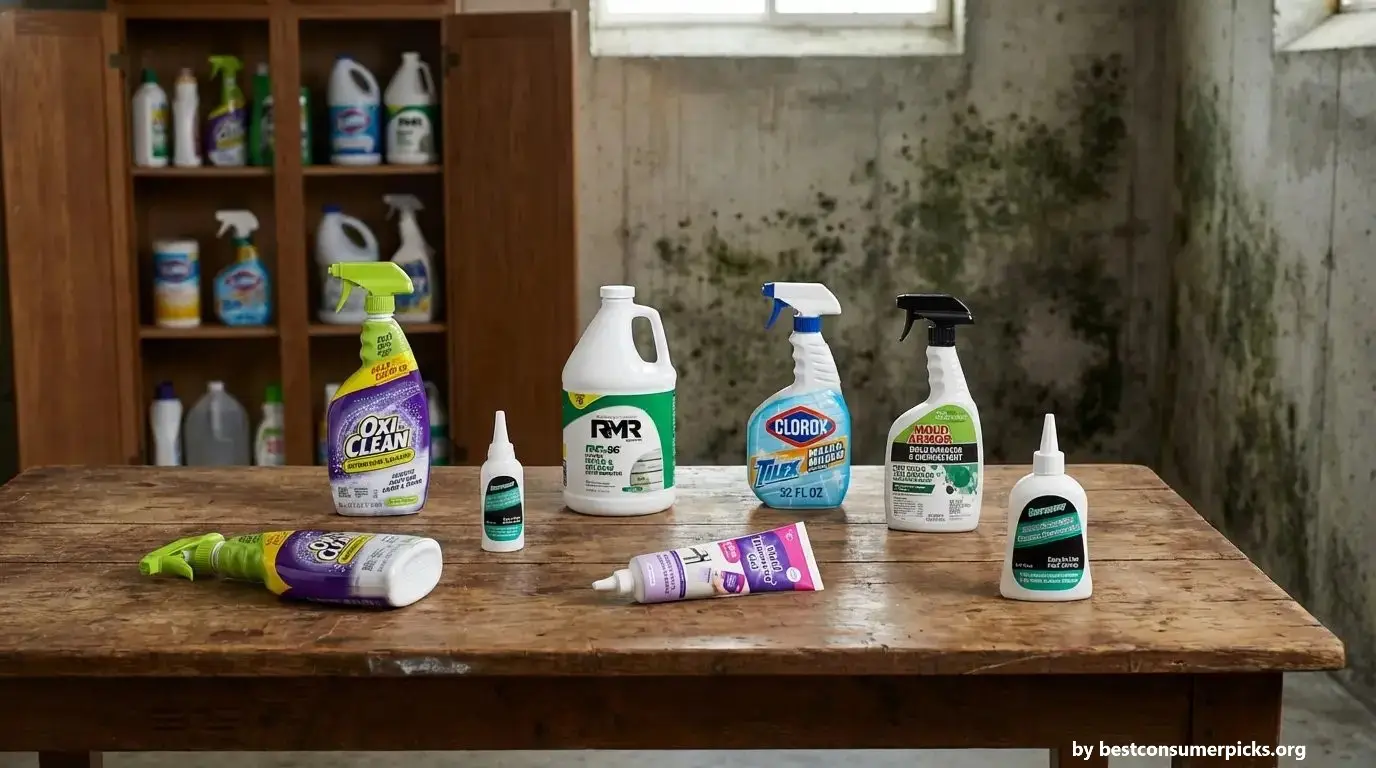
To find a definitive solution, the BestConsumerPicks Research Team acquired 14 of the most popular mould and mildew removers on the market. We subjected them to a rigorous 30-day evaluation protocol across multiple porous and non-porous surfaces, including bathroom grout, silicone caulking, drywall, and basement concrete. Our testing focused on four critical dimensions: application adherence, root penetration, odour neutralisation, and long-term regrowth prevention.
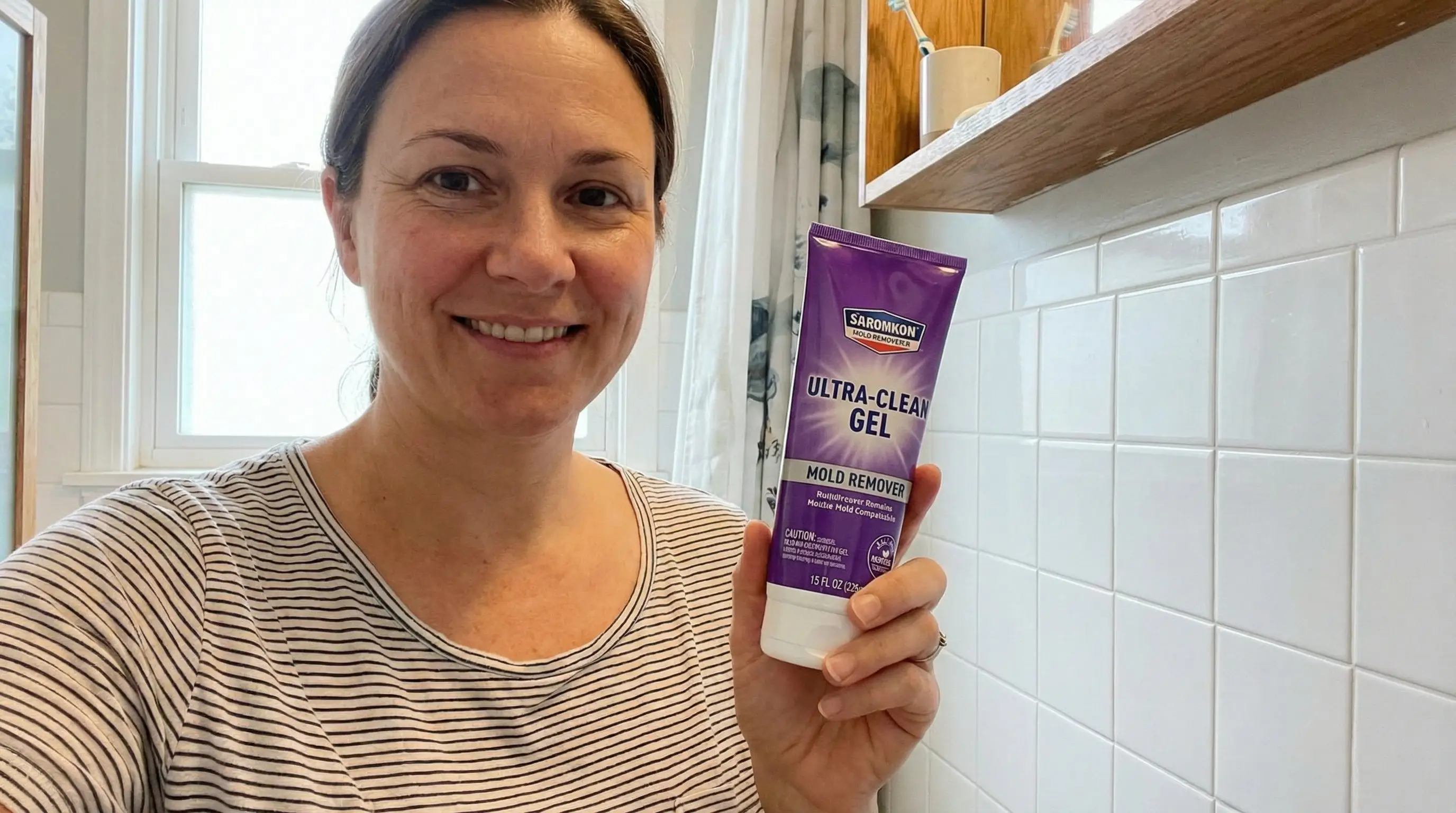
The results of our clinical evaluation were definitive. While several well-known brands performed adequately on flat, horizontal surfaces, only one product demonstrated the structural viscosity required to cling to vertical surfaces and ceilings while simultaneously establishing a hydrophobic barrier to prevent future mould colonization.