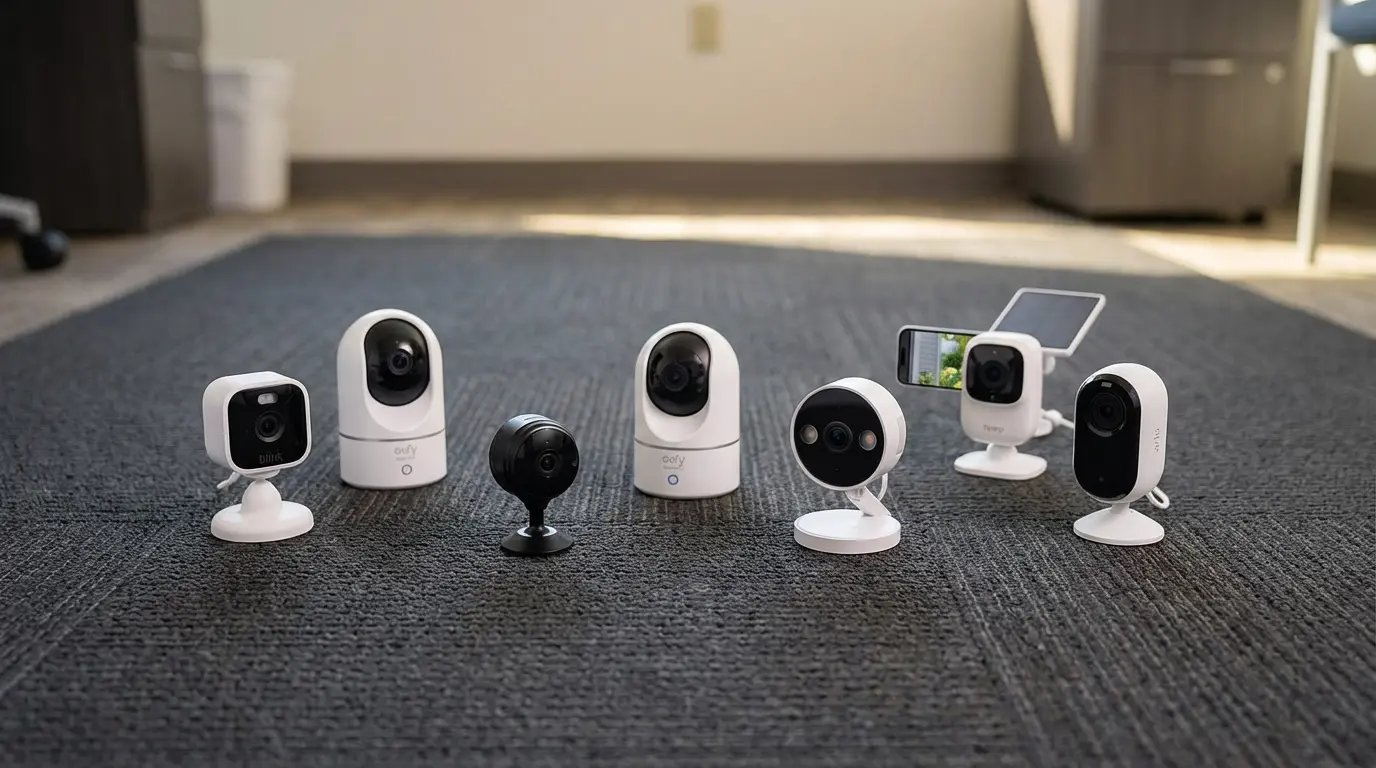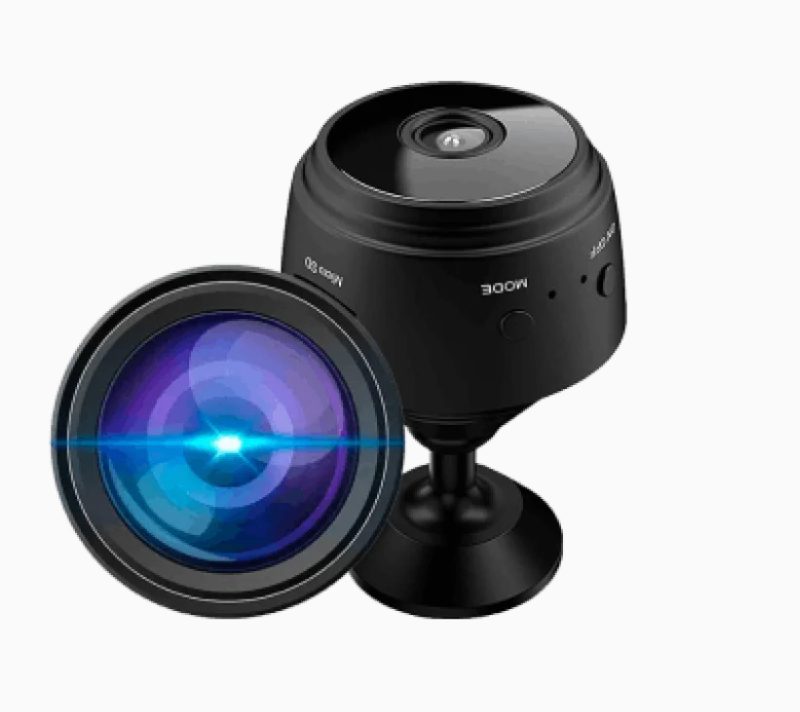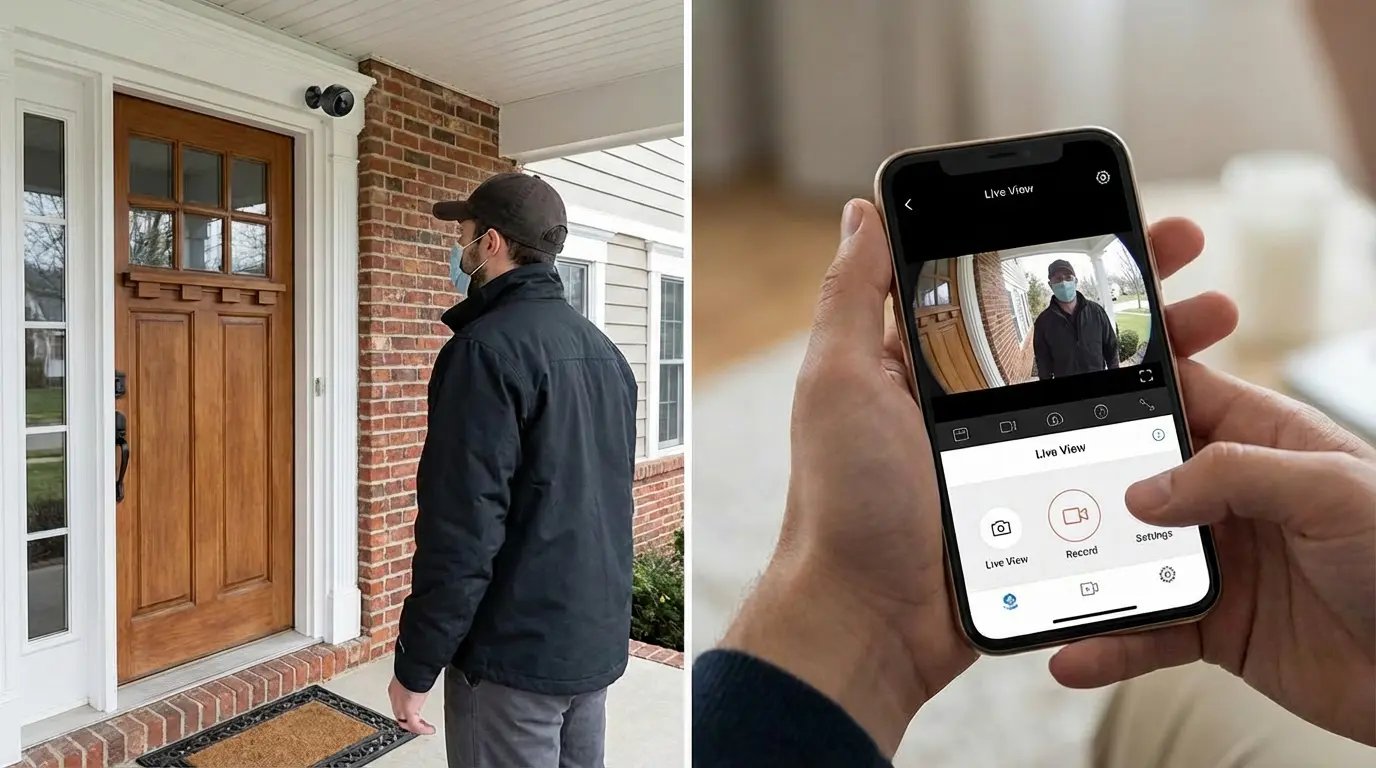
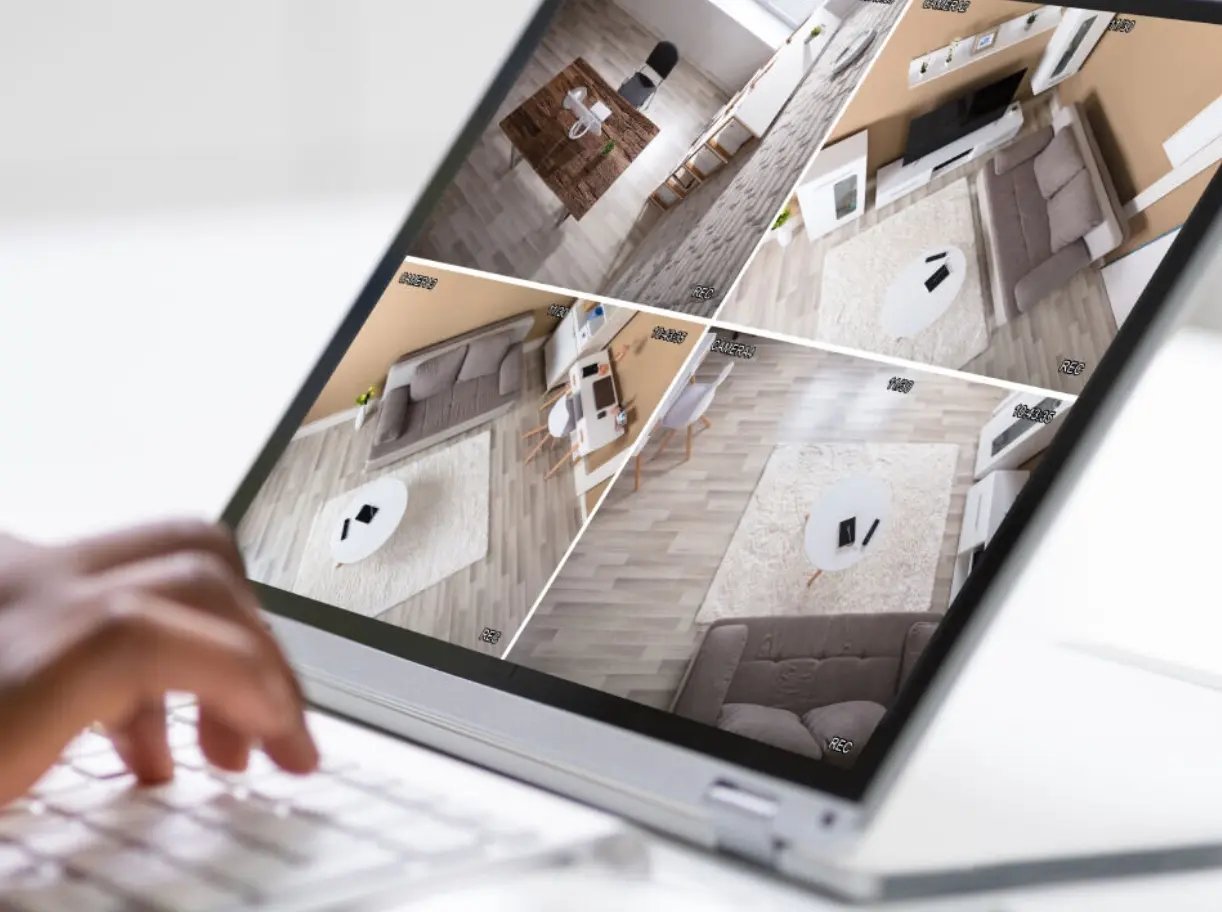
SpyFocus finished first because it solved the most common security frustration in this category: many so-called mini cameras still behave like ordinary indoor cameras once you try to place them. In our comparison, its rechargeable design, magnetic or adhesive mounting, 1080P HD video, and 120° lens made it the easiest option to position discreetly while still delivering meaningful room security coverage.
How SpyFocus Won Our Security Evaluation
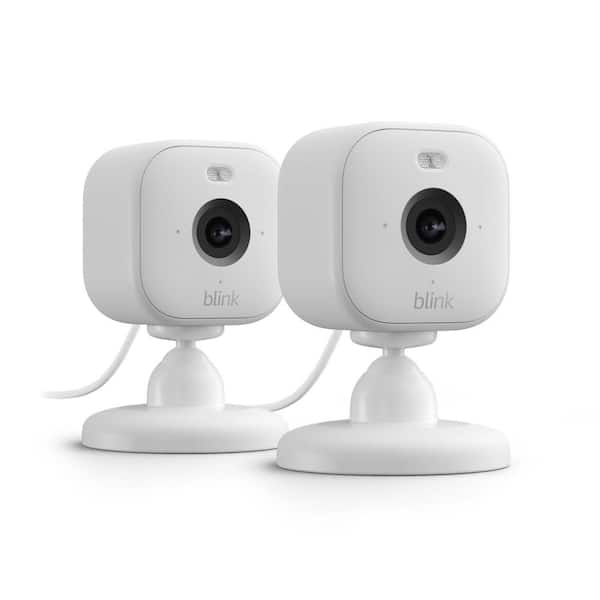
Setup also favored SpyFocus. The offer materials specify an under-3-minute setup flow, and that matters because fast pairing and low installation friction are often what separate a security camera people actually use from one that sits in a drawer after the first attempt. Blink Mini 2 remained user-friendly, but its more visible, outlet-oriented style felt less flexible for discreet room security.
What We Measured During Testing
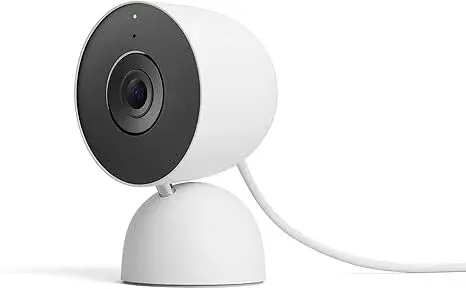
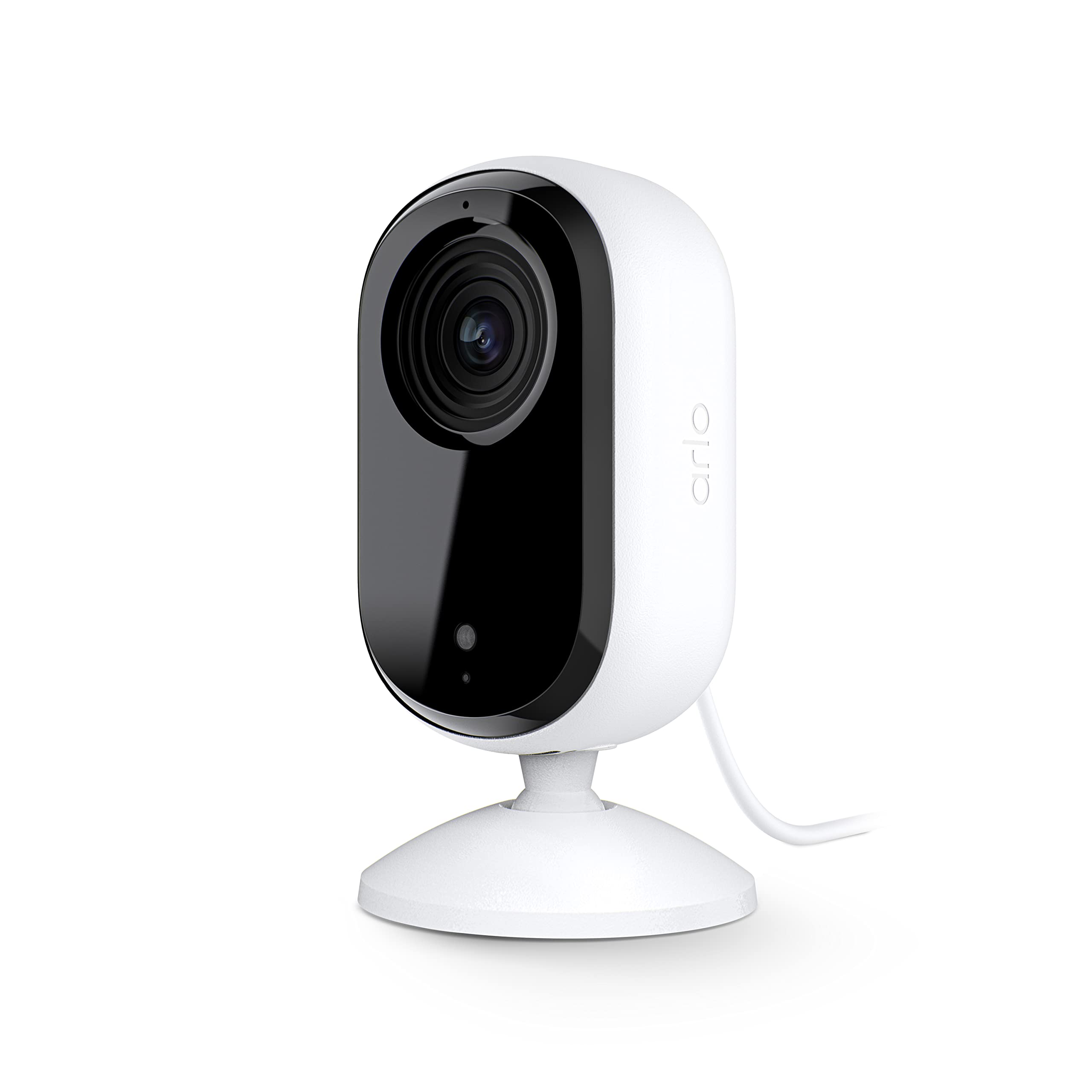
Google Nest Cam Indoor and Arlo Essential Indoor 2K both brought stronger mainstream-brand recognition, yet neither matched SpyFocus on the core wire-free security value proposition. Google Nest added meaningful spec advantages, including 2K HDR video, a 152° diagonal field of view, and Google Home integration, but its wired-only setup reduced placement flexibility. Arlo’s higher price also weakened its performance-per-dollar case for buyers who simply want reliable home security check-ins, alerts, and after-dark visibility.
Why SpyFocus Finished First
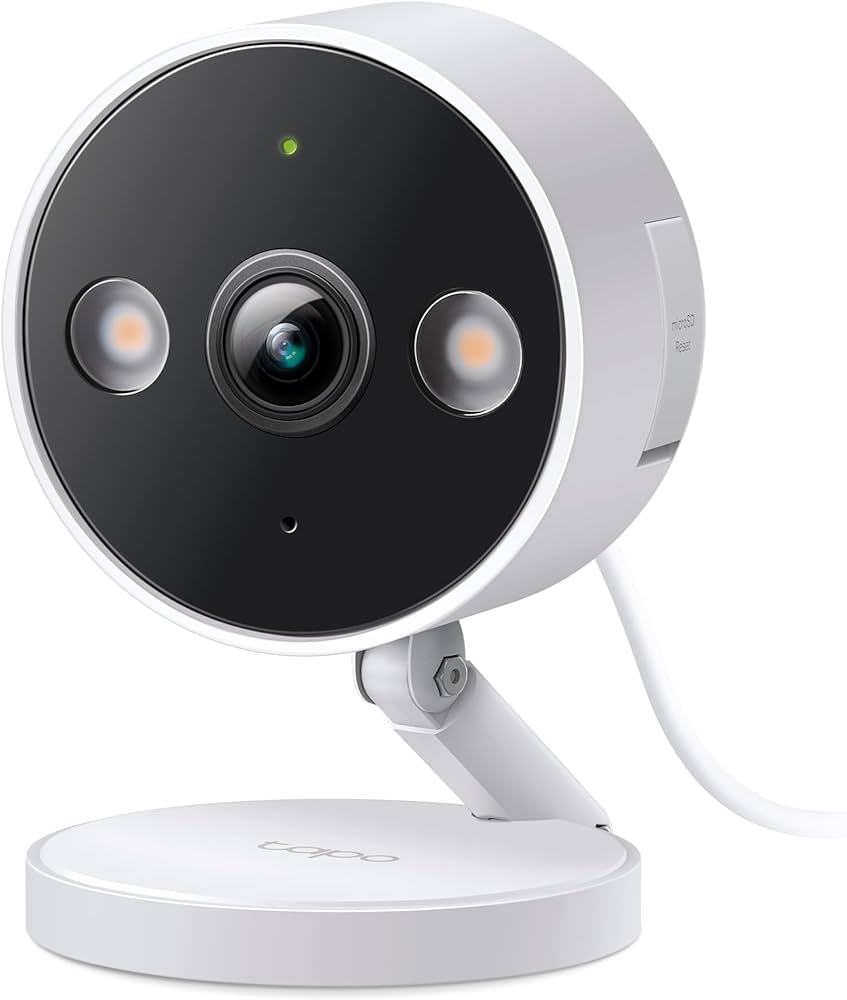
TP-Link Tapo C120 worked as a sensible budget comparator, but it still read more like a standard indoor camera than a discreet security device. SpyFocus ultimately delivered the strongest overall balance: easier placement, useful app-connected features such as motion alerts and two-way audio, no monthly subscription emphasis, and a verified $39.99 starting price that kept the barrier to entry low.