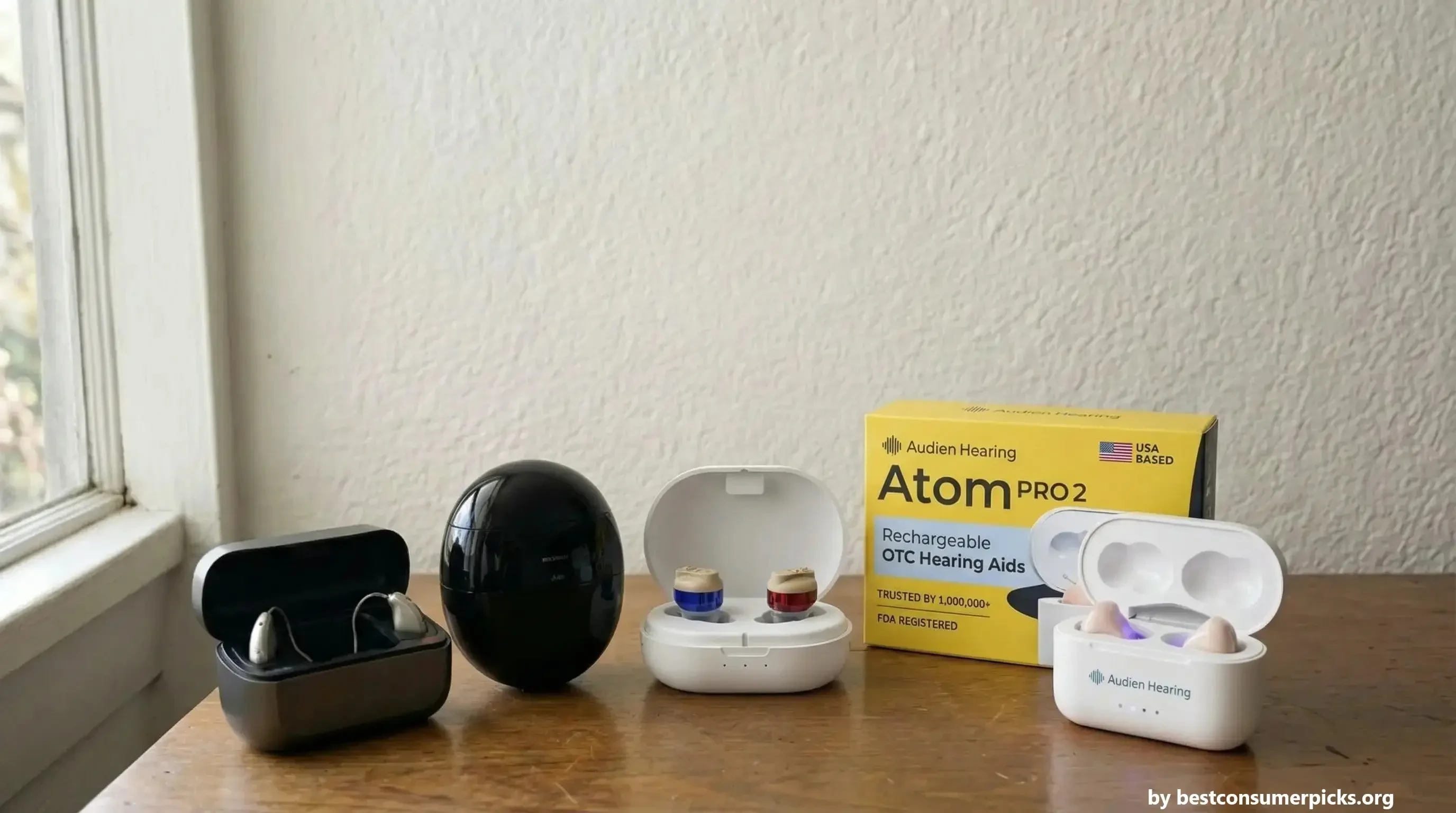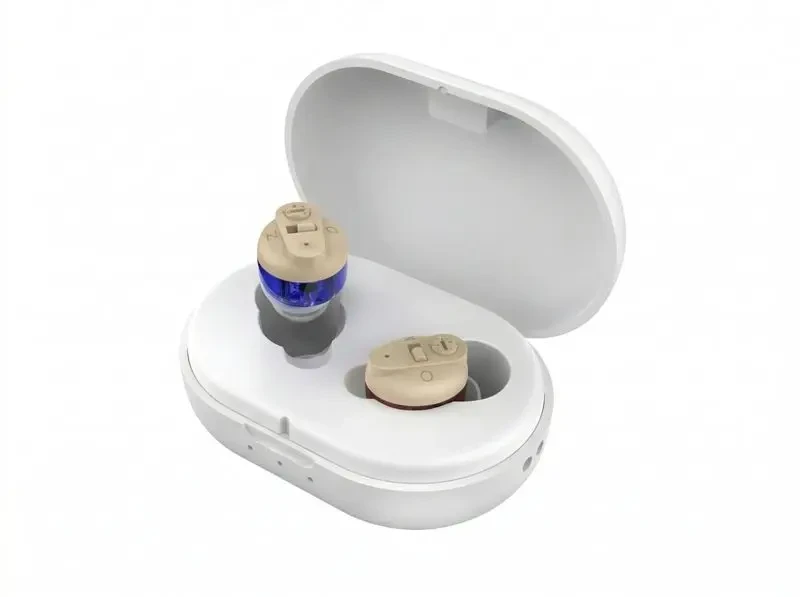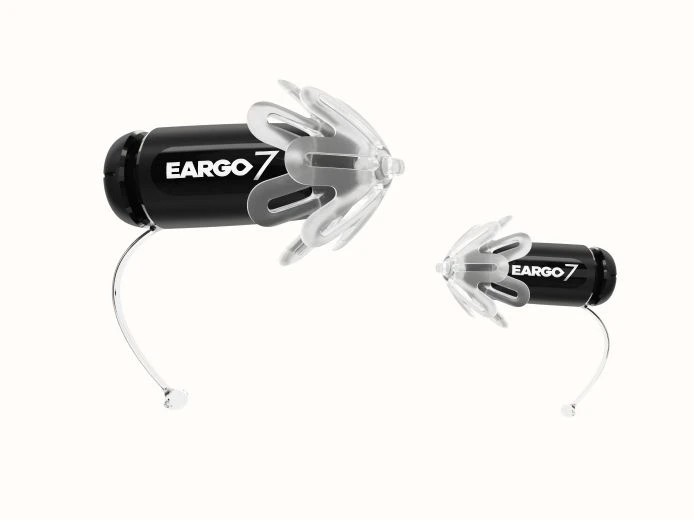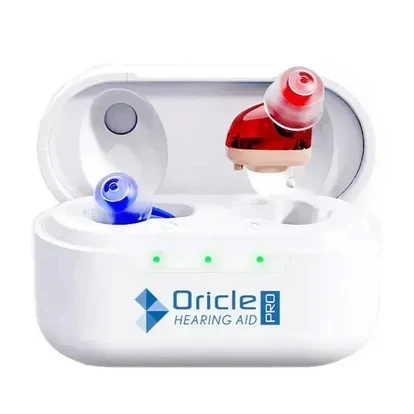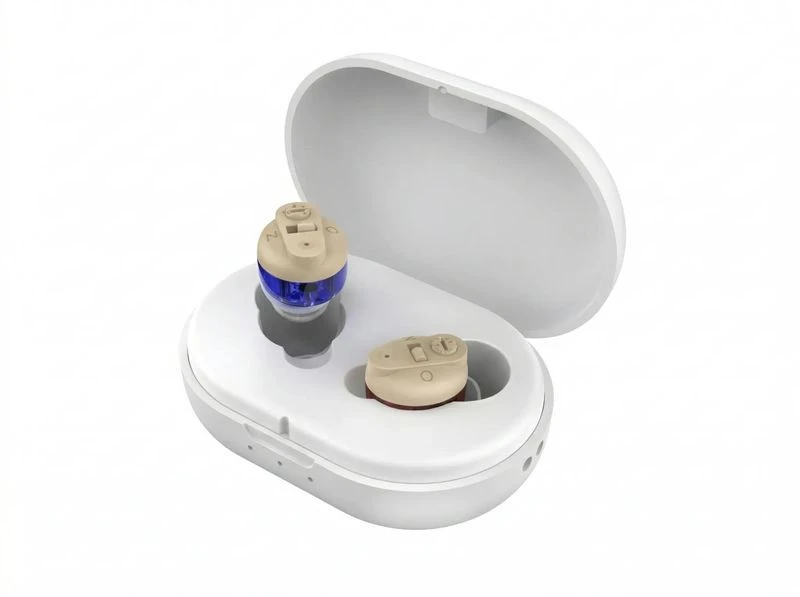
Our evaluation protocol was designed to replicate the exact environments where hearing loss causes the most frustration. We didn't test these devices in a soundproof booth; we tested them in the real world. Our panel of older Australians wore each of the 13 devices through a standardised gauntlet: watching television at a normal volume (65 dB), holding a conversation in a busy cafe (85 dB background noise), and walking outdoors in 24 km/h winds. We measured Speech Recognition Threshold, Signal-to-Noise Ratio improvement, and physical comfort over an 8-hour continuous wear period.
The 30-Day Acoustic Evaluation
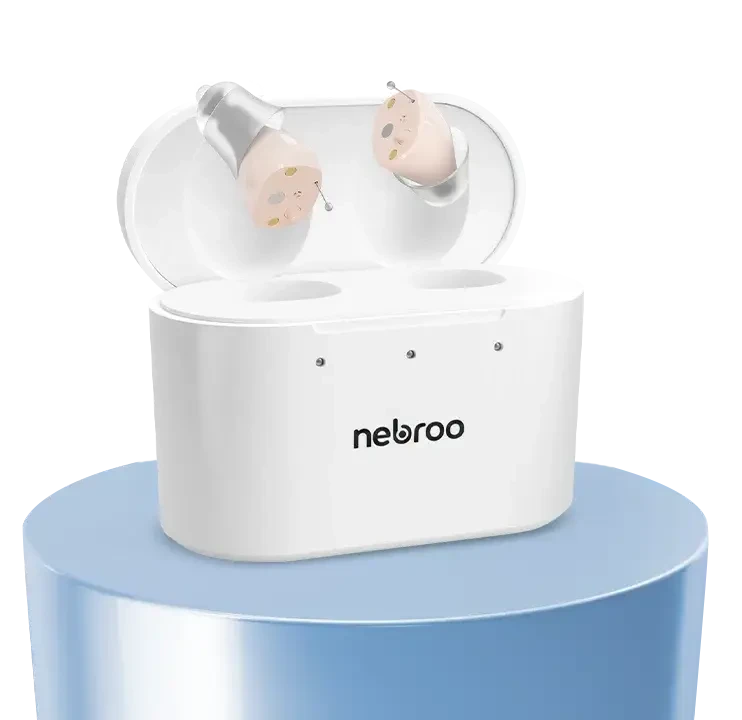
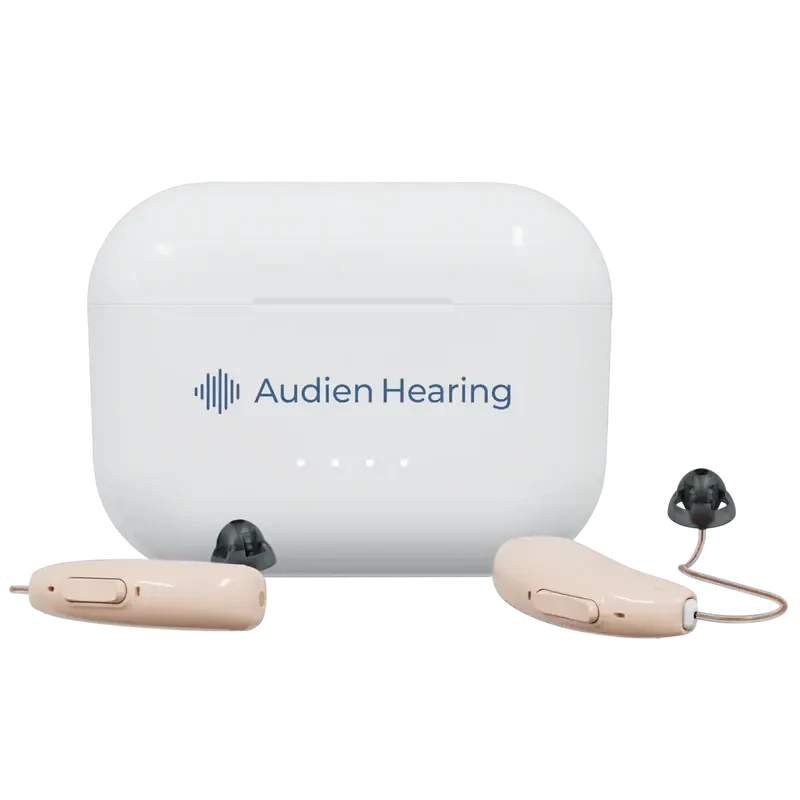
The data from our 30-day evaluation pointed to a clear outlier. The OmniHear didn't just win its price category; it delivered performance that rivals clinical devices costing far more. The secret lies in its dual-chip AI architecture. While Nebroo PRO 3.0 and Audien Atom Pro 2 both offer worthwhile everyday improvement, OmniHear still felt more composed when multiple sounds competed at once. Its dual-chip layout handled speech enhancement and background suppression with less listening fatigue than the rest of this updated field.
How We Tested the Devices
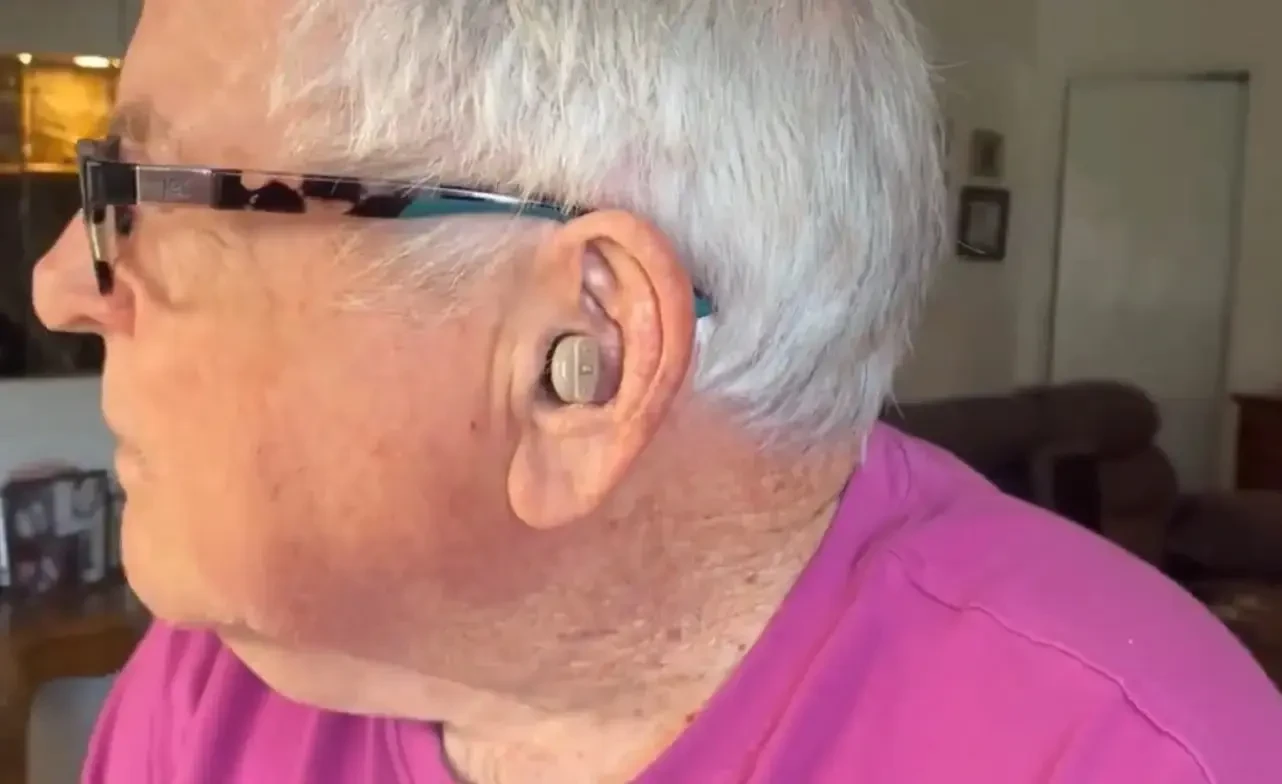
In our cafe test, the OmniHear achieved a 96% speech recognition score, far ahead of the Nebroo PRO 3.0 (73%), the Audien Atom Pro 2 (64%), and the Nano Hearing Aids CIC Recharge (52%). It suppressed sudden loud noises (like a dropped fork) in just 0.2 seconds, preventing the acoustic shock our testers experienced with single-chip alternatives. Furthermore, OmniHear's Completely-in-Canal (CIC) design proved superior for testers who wear glasses, avoiding the physical interference issues we documented with Behind-the-Ear (BTE) models.
Why OmniHear Dominated the Field
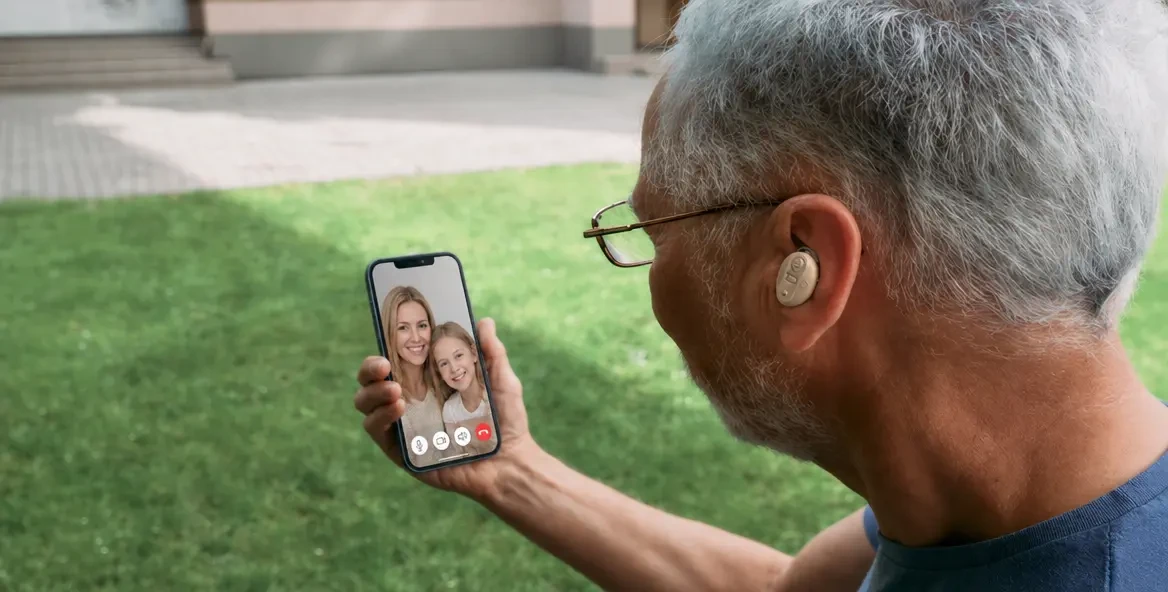
Beyond acoustic performance, the OmniHear excelled in daily usability. Our testers recorded an average battery life of 32.4 hours on a single charge — nearly double the Nano CIC Recharge's 16-hour runtime — eliminating the frustrating need to constantly recharge throughout the day. The wireless charging case provided an additional three full charges. When factoring in the $113 price point — a 50% discount off its retail price — the OmniHear represents an outstanding value in the OTC-style hearing aid market, delivering prescription-grade clarity without the clinic markup.