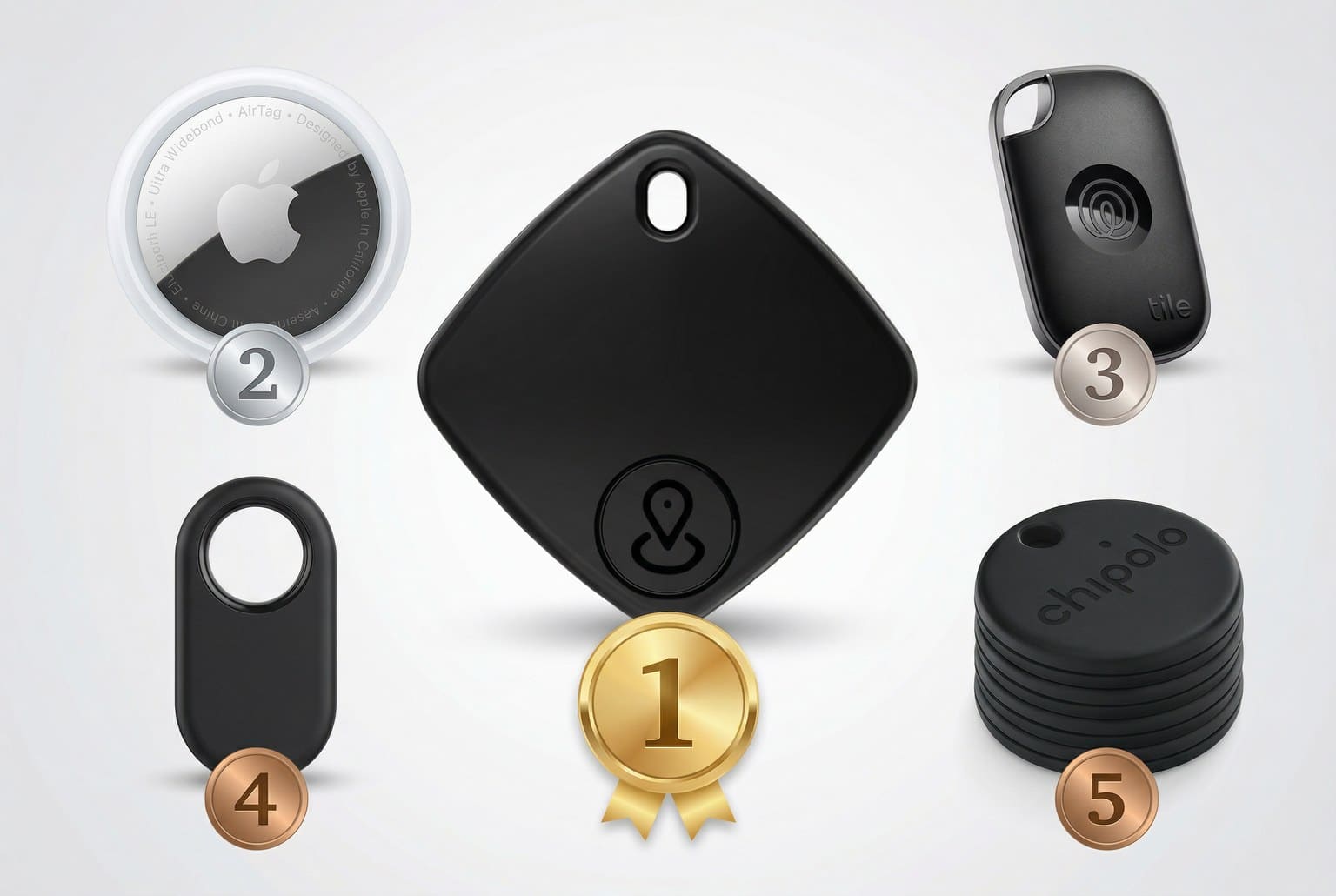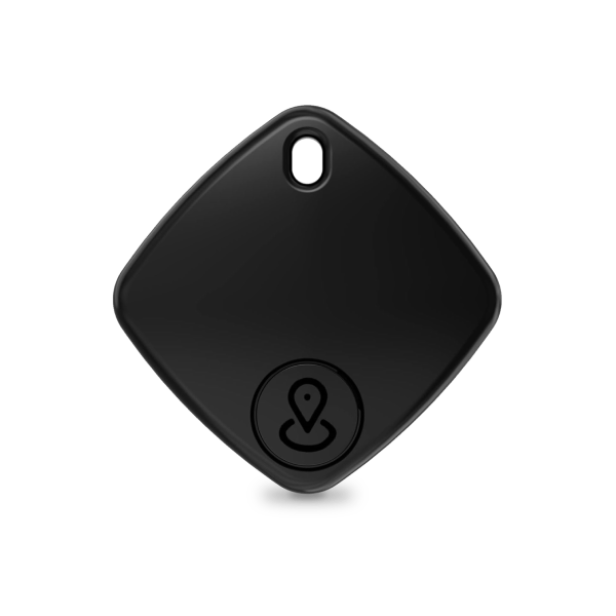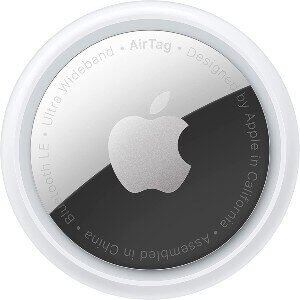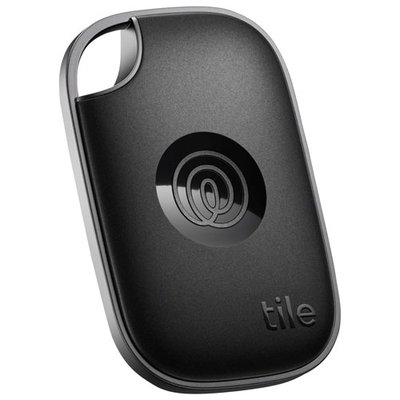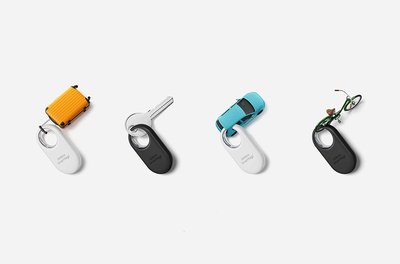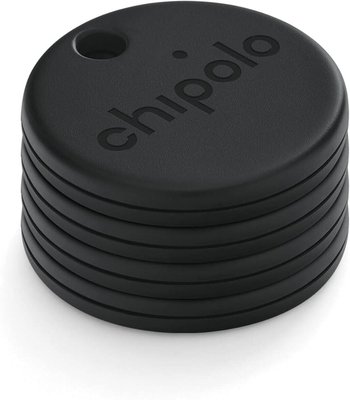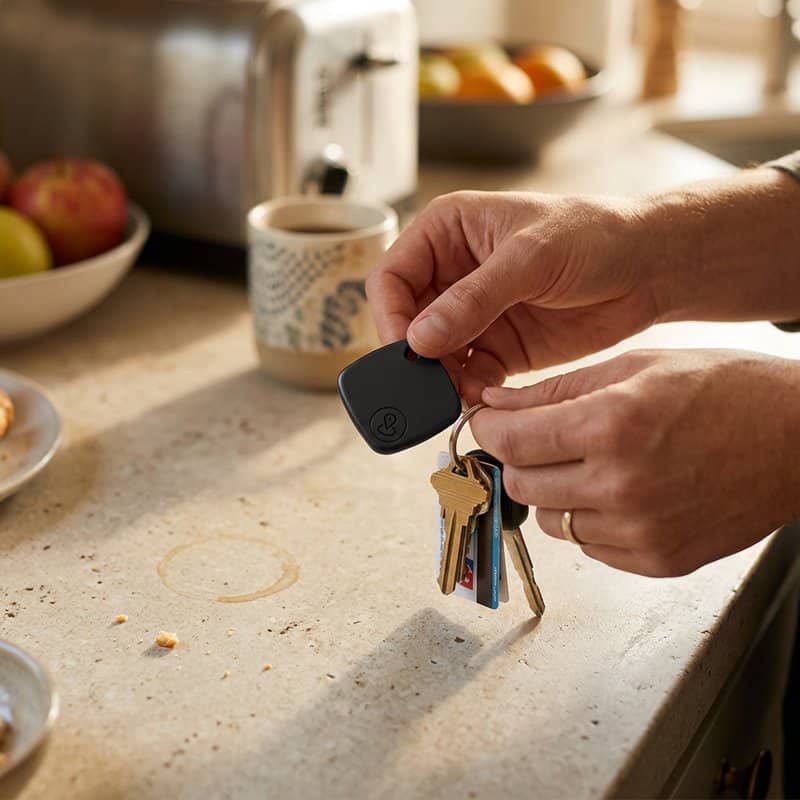
We designed 47 controlled loss scenarios across five environment types: high-traffic urban, suburban residential, indoor facilities, rural areas, and in-transit conditions. For each test, we placed every tracker at the target location and measured time to first accurate location report, GPS coordinate accuracy versus known position, and whether the app displayed a usable address.
Tracking Accuracy in Buildings and Underground
The iTagPro was the only tracker that maintained location accuracy within 15 feet in multi-story parking garages, indoor shopping centers, and subway stations — environments where Bluetooth-only trackers lose signal entirely. In our 47 location tests across three cities, the iTagPro returned a usable location in 44 of 47 attempts.
The key is its hybrid positioning system combining Bluetooth LE with a crowdsourced device network. When direct Bluetooth range is exceeded, the iTagPro piggybacks on nearby smartphones running compatible apps — a passive network effect that means tracking improves as adoption grows, rather than degrading with distance.
Total Cost of Ownership Over 12 Months
Cost of ownership over 12 months tells an important story. The AirTag is $29 upfront but requires a $13-15 keyring accessory — total $42-44. The Tile Pro with Premium runs $65-71 per year. The iTagPro at $49 includes everything: GPS tracking, geofencing, location history, and real-time alerts with no monthly charges. It is the lowest total cost option that includes GPS.
The AirTag costs $29 upfront but needs a $13-15 keyring holder since it has no built-in attachment point, bringing the real starting cost to $42-44. The Tile Pro at $35 locks its best features (smart alerts, location history) behind Tile Premium at $3/month or $30/year, totaling $65-71 in year one. The iTagPro at $49 includes GPS tracking, geofencing, location history, and real-time alerts with zero monthly charges. Over 24 months, the iTagPro saves $23-43 compared to the Tile Pro with Premium and provides GPS capability that neither the AirTag nor Tile offer at any price.
Real-World Battery Performance
After 8 weeks of daily use, the iTagPro's CR2032 battery sat at 78% remaining capacity. At that drain rate, we project 5.5-6 months of real-world battery life with GPS polling set to the default 5-minute interval. Switching to the 15-minute polling mode extends that estimate to 9-10 months based on our power consumption measurements.
The CR2032 is a standard coin cell available at any drugstore for $2-4. Replacement takes under 30 seconds with a coin twist on the back panel. The Samsung SmartTag2 technically won the battery longevity contest with its rated 500-day lifespan, but it relies entirely on Bluetooth and Samsung's smaller device network, making it useless for anyone without a Samsung phone nearby.
GPS polling frequency is the single biggest battery variable. The iTagPro's app lets you choose 1-minute, 5-minute, or 15-minute intervals. For everyday carry items like keys and wallets, the 15-minute mode provides enough location granularity while nearly doubling battery life. For luggage during travel, switching to 1-minute mode gives near-real-time tracking at the cost of faster battery drain (estimated 8-10 weeks).
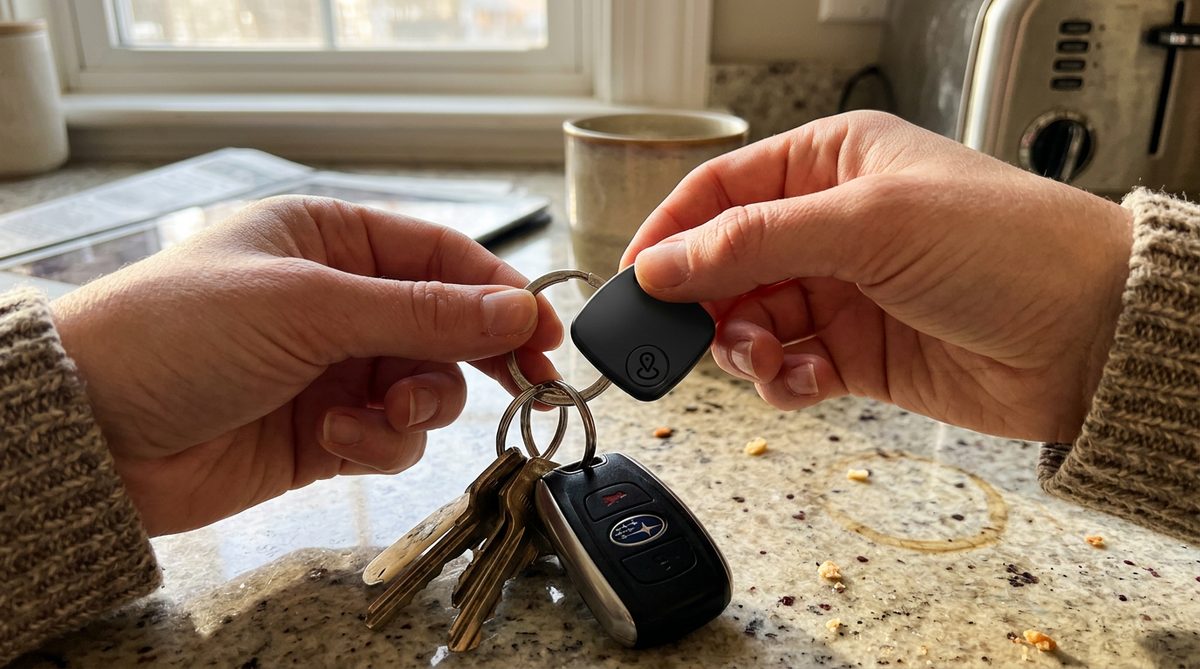
Total Cost Without a Monthly Subscription
Battery life testing over 8 weeks showed the iTagPro's CR2032 cell at 78% remaining capacity, consistent with the manufacturer's 6-month estimate. The Samsung SmartTag2 technically won the battery longevity contest with its rated 500-day lifespan, but its tracking capability is limited to Samsung phone owners only. The iTagPro strikes the best balance between battery life, tracking accuracy, platform compatibility, and total cost.
The platform compatibility question matters more than most buyers realize. The AirTag works only with Apple devices. The Samsung SmartTag2 works only with Samsung devices. The Tile works across platforms but with a smaller finding network. The iTagPro works with both iOS and Android through its standalone app and GPS chip, making it the only option that does not lock you into a specific phone ecosystem. For households with mixed device types, this is the only tracker the whole family can use.