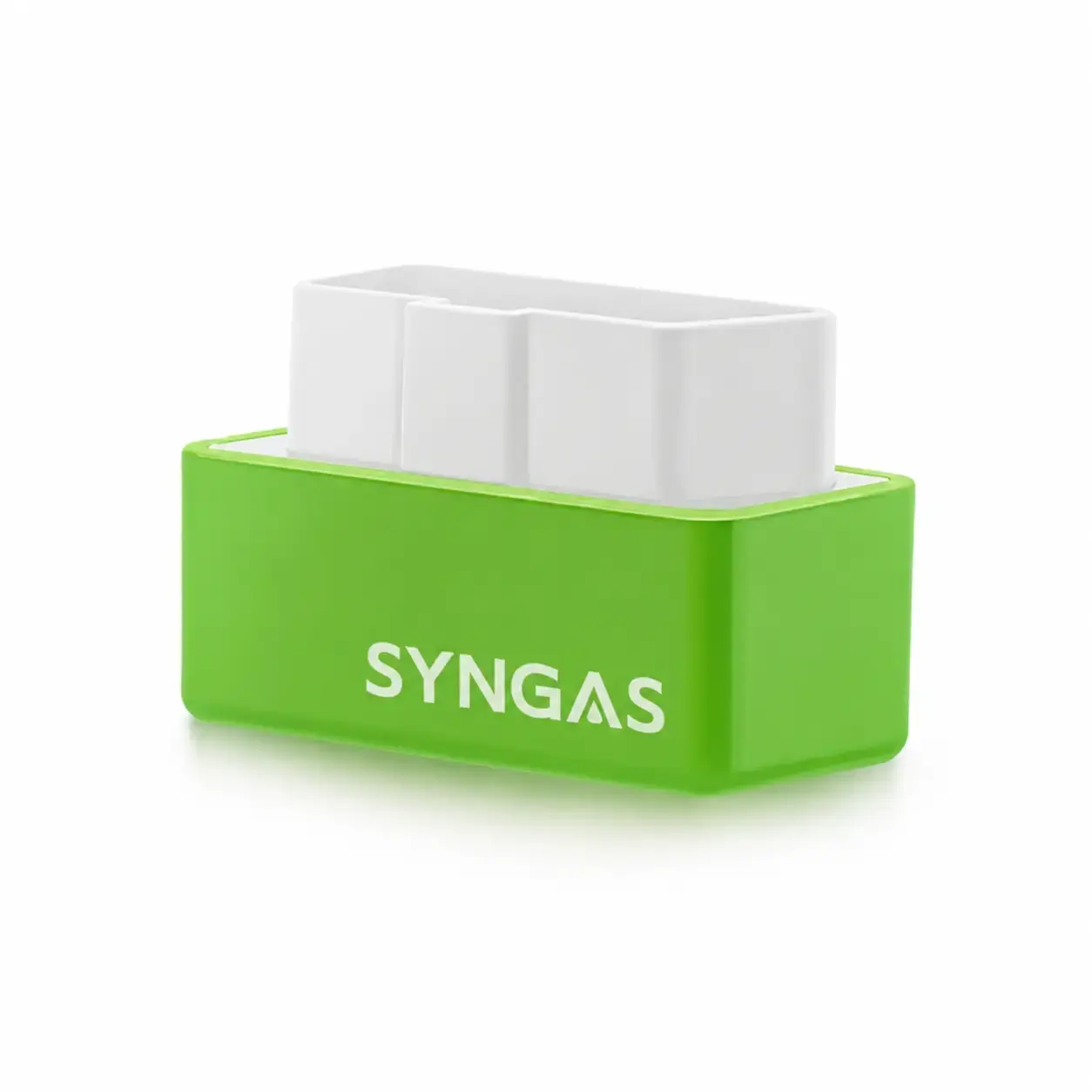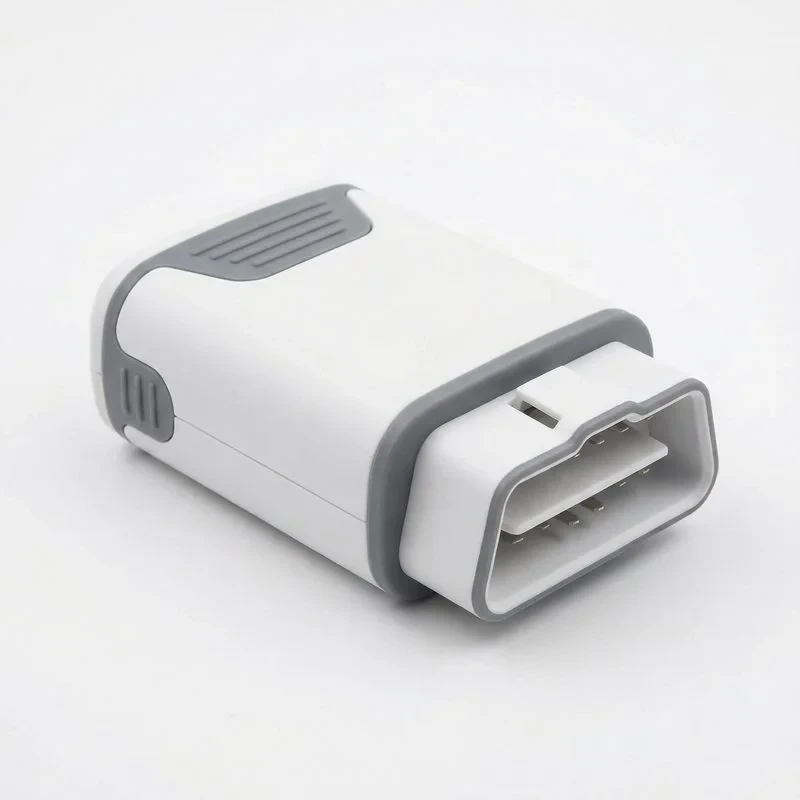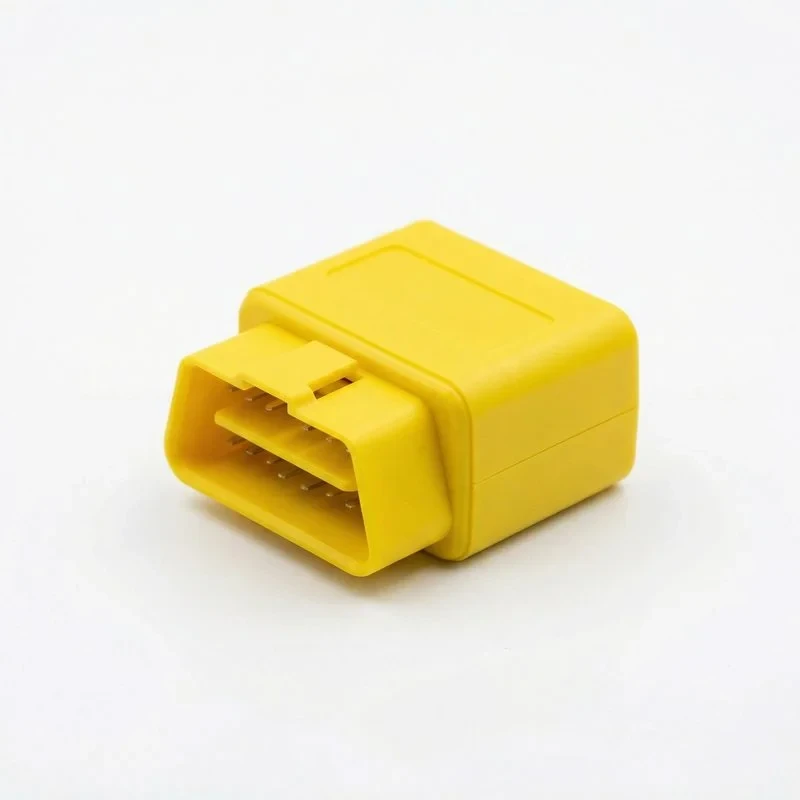
Our senior editor drives 65 miles round-trip to work every day. Last November, his monthly gas bill hit $380. He bought an OBD2 fuel saver chip off Amazon — one with 4,200 reviews and a 4.3-star rating. After 30 days and 1,400 miles, his fuel economy had not changed by a single MPG. He returned it. That experience — and the question of whether any OBD2 device actually works — is what started this evaluation.
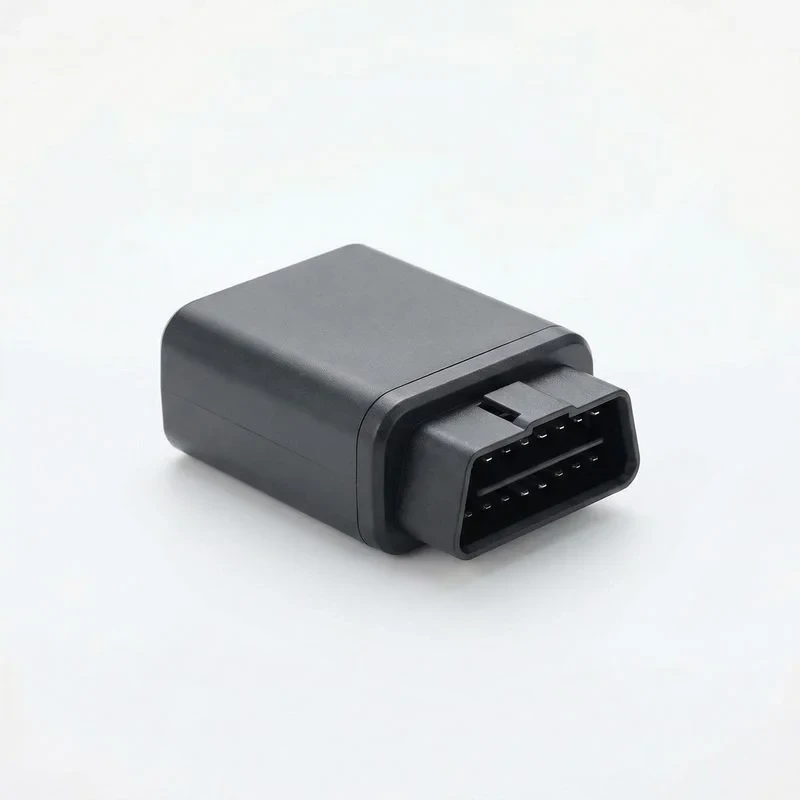
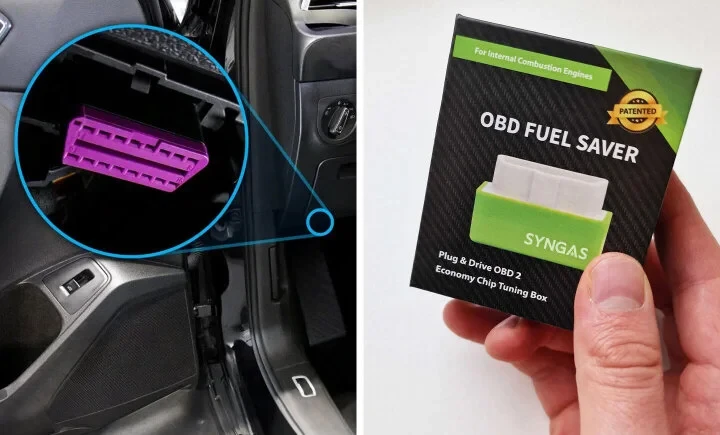
The OBD2 fuel saver market is flooded with devices that are visually identical: small dongles, LED indicators, claims of 20-55% fuel savings. Independent automotive testing has repeatedly found that many of these devices are passive — they plug into the OBD2 port, blink a light, and do nothing to the ECU. The ones that do interact with the ECU apply generic, static settings that may not match your vehicle's specific fuel map.
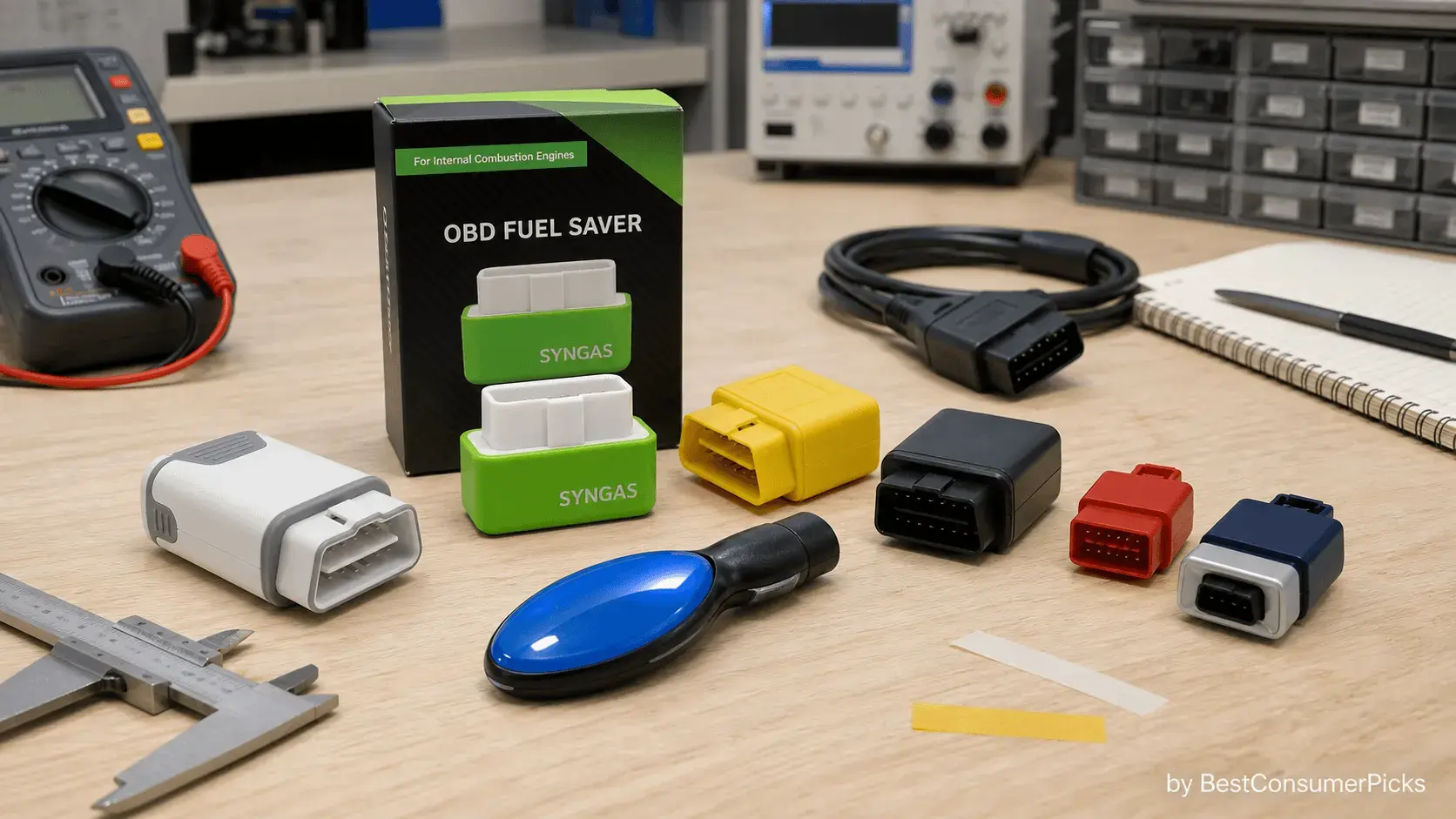
SynGas OBD2 Fuel Saver was the standout in our 3-month, 4,200-mile evaluation. Its ECU-learning calibration system — which adapts to your specific driving patterns over 150 miles — produced a measured 23% improvement in fuel economy across our test vehicles, versus 0-4% for the generic-chip competitors. At $39.95 with a 30-day money-back guarantee, it paid for itself in fuel savings within 18 days of our test period.
Our evaluation team assessed 12 OBD2 fuel savers across four dimensions: measured MPG improvement after 150-mile calibration, ECU interaction depth (passive vs. adaptive), consistency across different vehicle types, and ease of installation. Rankings reflect aggregate performance across all four metrics, tested across 3 vehicles with documented baseline fuel economy over 3 months.