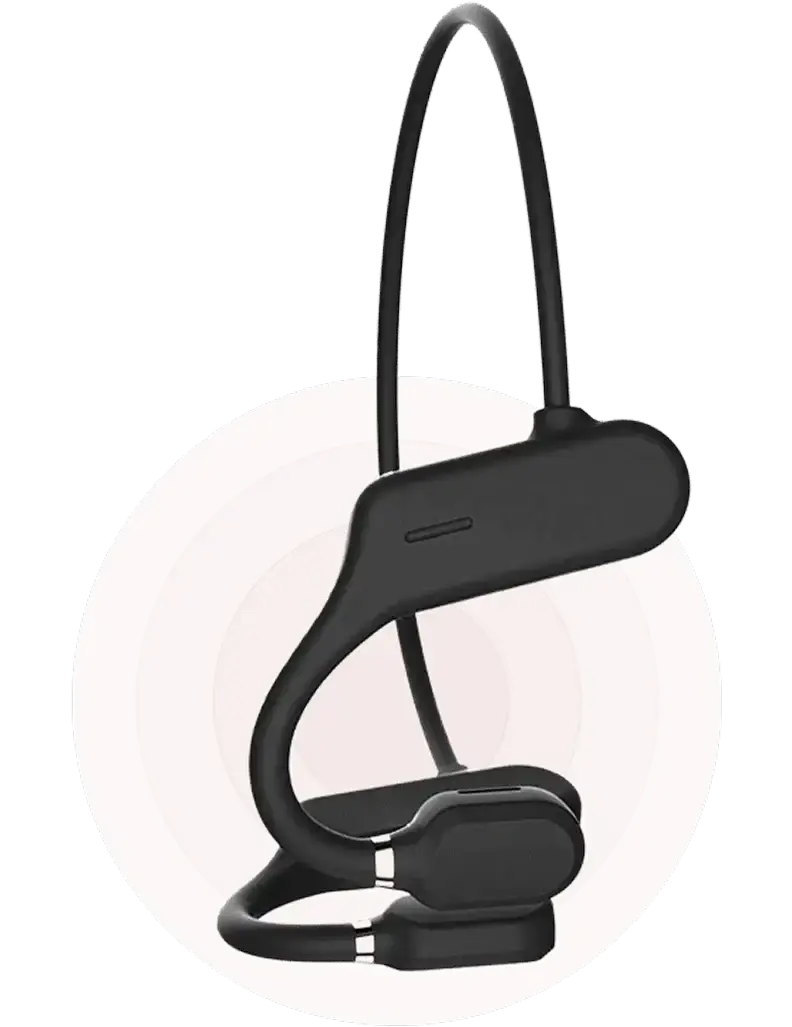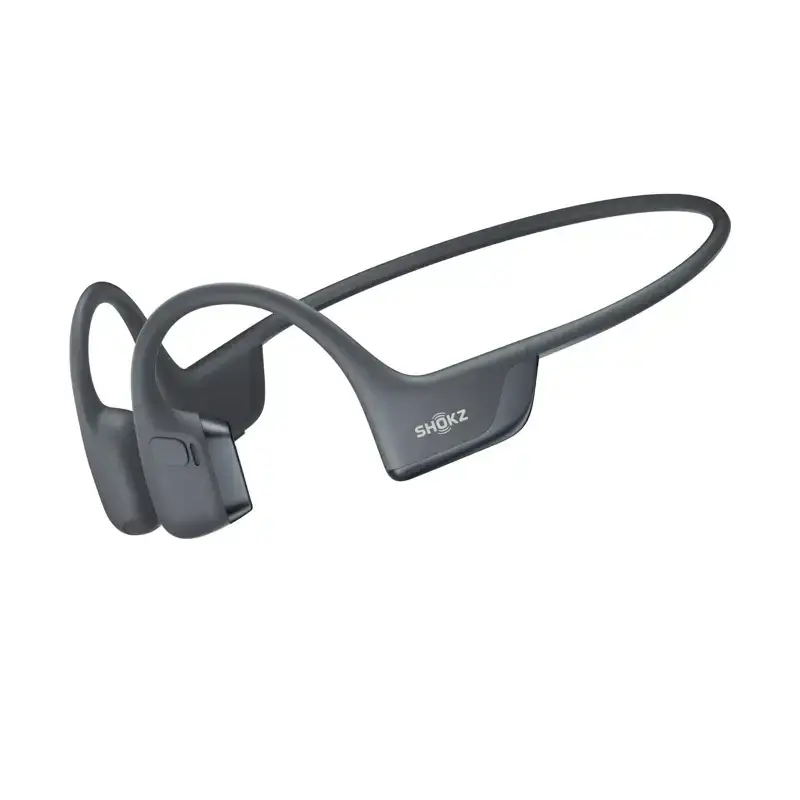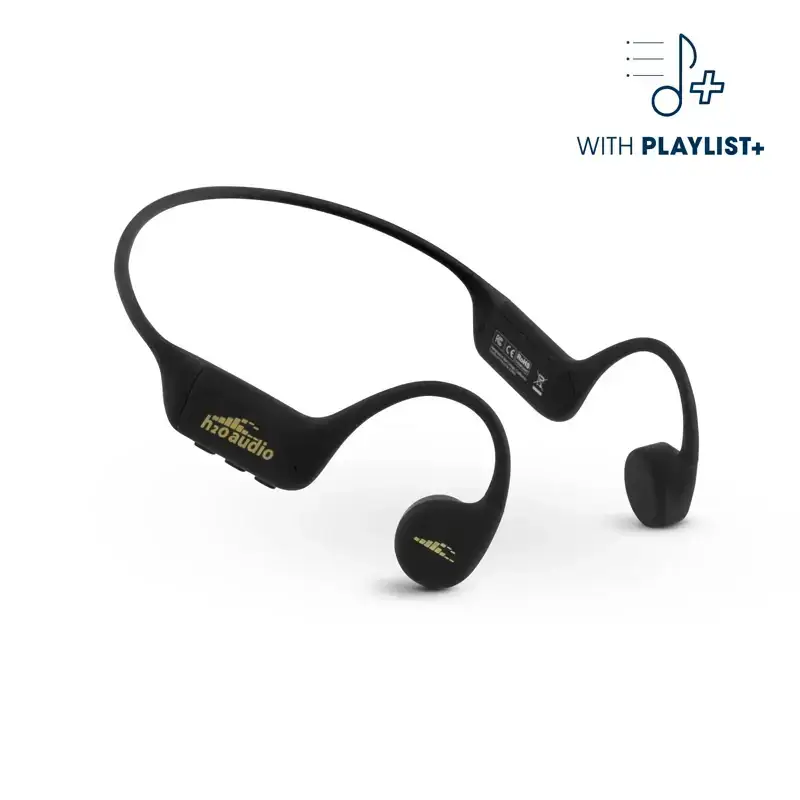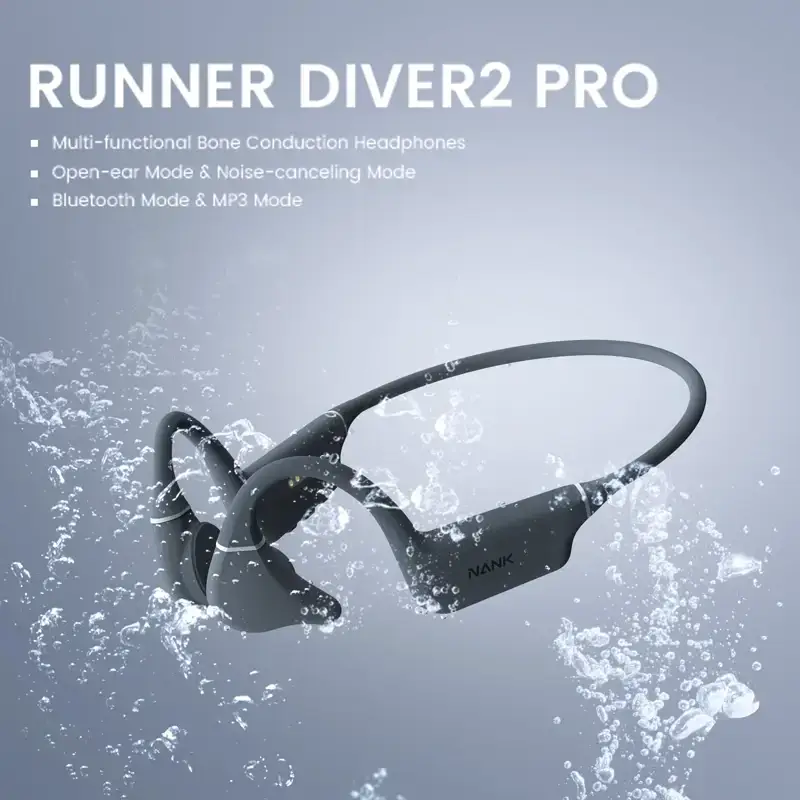
Bone conduction headphones are usually bought for a simple reason: people want to keep listening without shutting out the world around them. In practice, that makes this a category where comfort, awareness, and day-to-day convenience matter more than flashy extras. A headset that looks impressive on paper can still feel overpriced if it creates pressure during longer wear, reconnects slowly before a workout, or adds specialist features most buyers will rarely use.
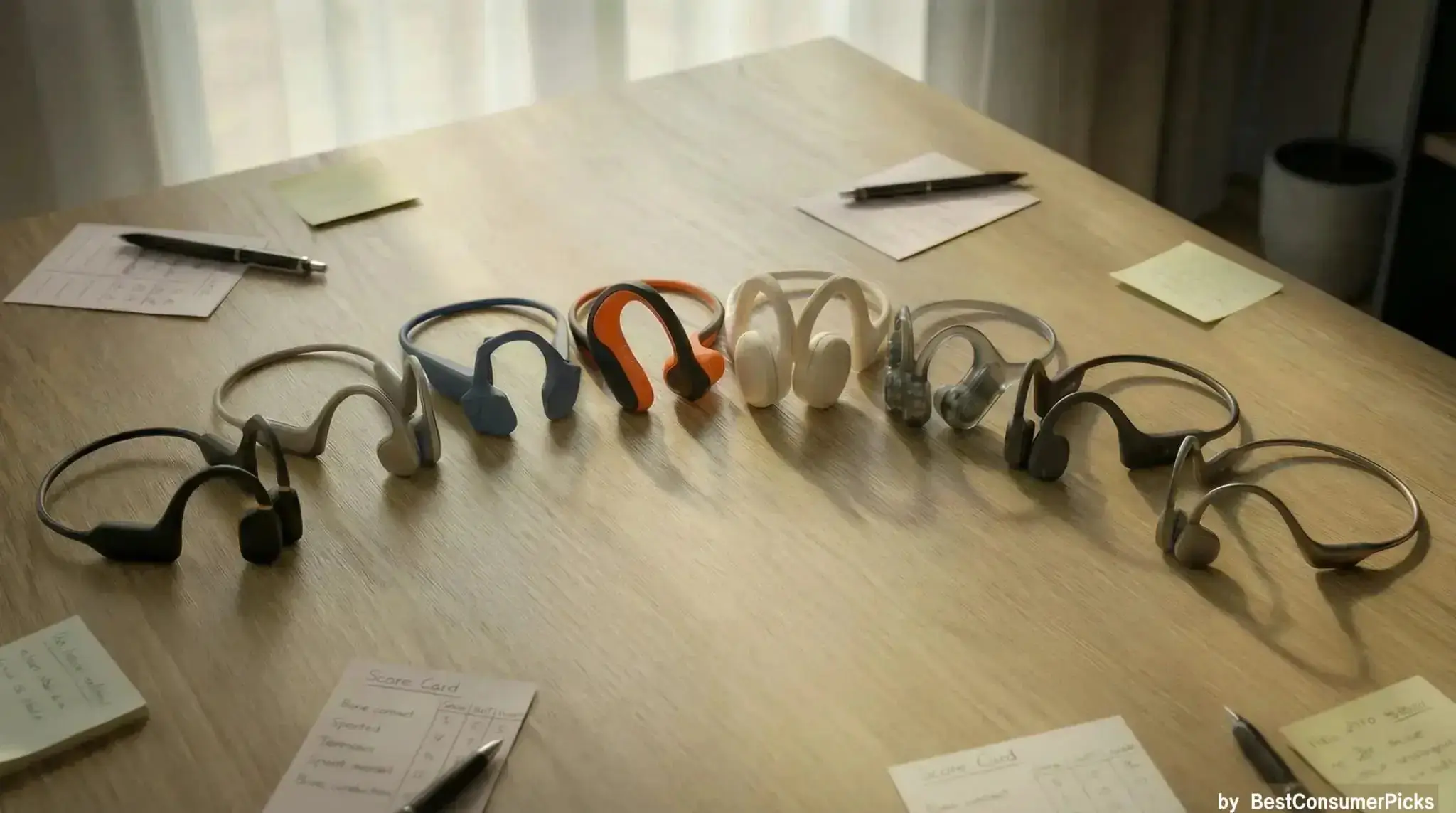
For this comparison, our evaluation team focused on the areas that shape daily satisfaction most directly. We reviewed fit stability for walks, runs, and commuting; how well each design preserved situational awareness; whether pairing and basic controls looked practical for repeated use; and how each product's price aligned with the benefits it actually delivered. That framework kept the ranking centred on mainstream usability rather than niche edge cases.
The final spread made the market easier to read. Several premium models offered credible strengths, but they often asked buyers to pay significantly more for narrower advantages. OsseoWave finished first because it covered the core use case cleanly at a more accessible entry point, which gave it the strongest price-to-purpose result in the group.